
South Korea Travel Guide 2026: Planning Tips from a Tourist Turned Resident
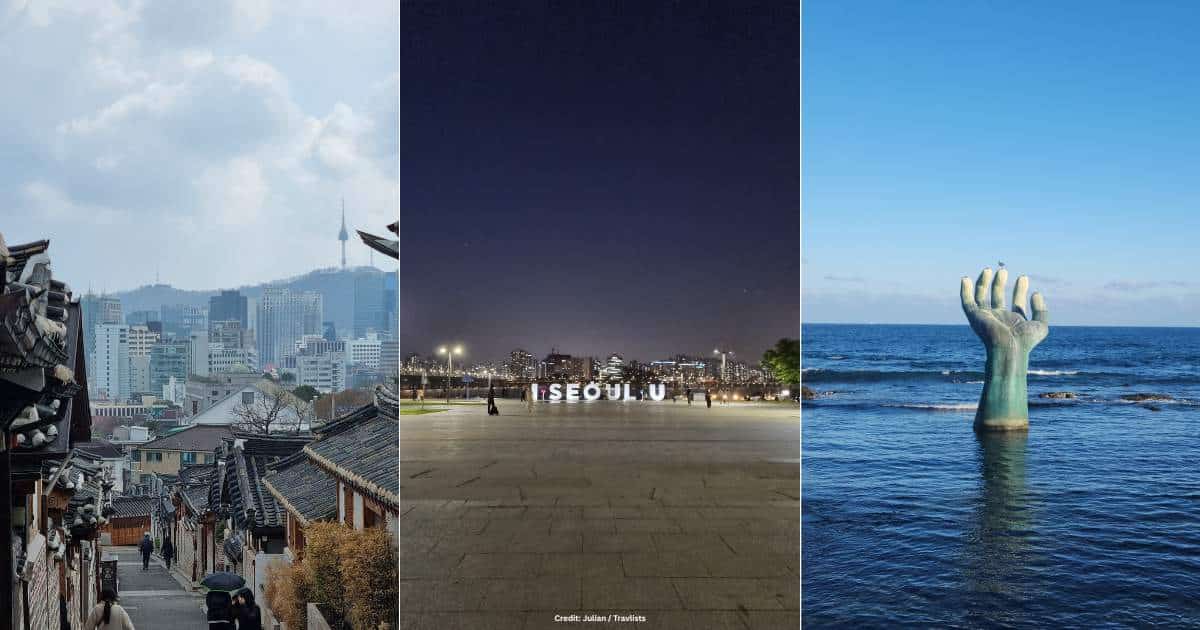
I wrote this South Korea travel guide for first-time visitors, as well as returning travelers looking for fresh ideas for their next trip. It covers the practical essentials, places to visit, and the trends you may already have seen on TikTok or YouTube, with more context to help you find what’s worth adding to your trip.
My name is Julian, and I’ve been living in South Korea since 2020. Before moving here, I visited the country once or twice a year as a tourist. Back then, I did not know much about Korean culture, the people, K-dramas, or K-pop, but the more I visited, the more they became part of how I experienced and understood Korea. Living here has also helped me appreciate both the popular tourist routes and places I probably would not have found without Korean friends.
In 2023, I met my Korean co-founder, Eisaku, who was born and raised in Busan, South Korea (he has also lived in Japan, hence his nickname). Together, we designed this guide to help you plan with more confidence and discover a version of South Korea that fits the kind of trip you want.
Popular Sections
A note to our readers: This is one of Travlists’ most comprehensive guides. Reading the whole thing will take time, but it’s worth it if you want additional insights from someone living in Seoul. If you’re short on time, simply jump to the content most relevant to you.
In a Nutshell
| Question | Quick Answer |
|---|---|
| Do I need a visa or K-ETA to visit South Korea? | Entry to South Korea depends on your passport. Some travelers can enter visa-free, while others need a K-ETA. Some may need to apply for a C-3-9 tourist visa before flying. See countries that need a visa → |
| How long should a South Korea trip be? | Four to five days is enough if you only plan to explore Seoul. Most of my friends and family also spent about that long on their first visit. If you want to add Busan, Jeju, Daegu, or another city, I recommend staying for seven to ten days. Find your ideal trip length → |
| What airlines fly direct to South Korea? | Korean Air offers direct flights from North America, Europe, Asia, Oceania, and other regions. Most international travelers arrive through Incheon International Airport, while some regional flights use Gimpo. See direct flight options → |
| What are the neighborhoods to explore in Seoul and Busan? | Seoul and Busan both have designated special tourist zones. In Seoul, these include Myeongdong, Dongdaemun, Itaewon, Gangnam, and other major districts. In Busan, Haeundae is one of the key tourist zones to consider. See these tourist zones → |
| Where to stay in Seoul and Busan? | My family and I stayed at Nine Tree Hotel in Insadong and JW Marriott Dongdaemun Square. Both worked well for four adults, though Nine Tree was the more affordable option. In Busan, I booked Ark Blue Hotel, which was only a few minutes away from Haeundae. See my hotel picks → |
| What to prepare for your South Korea trip? | Book a 5G eSIM to stay connected, and use a T-Money or Climate Card for transportation. For multi-city trips, I have used a Korail Pass. Book trip essentials → |
Is South Korea Worth Visiting?
I think South Korea is worth visiting even if you know little about the country. You would be traveling to an East Asian destination that became a republic in 1948, not even a hundred years ago.
What makes Korea especially interesting is that it came from a poor background and worked hard and fast (the ppalli-ppalli or 빨리빨리 way, as locals say) to become a hub for technology, beauty, the arts, and multimedia. Add in the people, food, sports, and culture, and you would find a place that’s highly advanced but still rooted in tradition. This makes it a country worth exploring, especially once you experience the neighborhoods, attractions, and landmarks.
If you like Korean content, be it dramas, variety shows, music, or films, you may either feel at home or realize that your idea of the country does not match the reality. That’s a possibility, too, and one that I have heard other foreigners mention. But what I do know is that cities are constantly making travel easier through more English-language support, transport options such as the Seoul Climate Card, and tourism passes like the Discover Seoul Pass and Visit Busan Pass. Exploring the country now is much more convenient than it was in 2017 when I first traveled.
Do I need a visa or K-ETA to visit South Korea?
The Republic of Korea requires foreign nationals to have a valid passport and a C-3-9 tourist visa for entry. However, some countries have entered into visa-free agreements with South Korea, which waive the tourist visa requirement under certain conditions. Passport holders who are exempt from a tourist visa still need to apply for a Korea Electronic Travel Authorization, or K-ETA, unless this is also waived.
To simplify:
- If your passport requires a visa: Apply for a C-3-9 tourist visa before your trip. Once you have a valid visa, you do not need a K-ETA.
- If your passport qualifies for visa-free entry: Check whether you need a K-ETA and confirm how long you are allowed to stay.
- If you need a K-ETA: Apply through the official K-ETA website rather than an agency that may charge an additional service fee.
- If you are exempt from both: You can generally travel using your valid passport, subject to the permitted stay period and normal immigration checks.
Jeju Island can be entered visa-free by many nationalities, provided that travelers fly directly to Jeju and stay there for up to 30 days. If you need a visa but were unable to get one, you may consider this as an alternative, provided that you meet all eligibility and routing conditions. Before planning your trip, check the official Ministry of Foreign Affairs website or contact your local Korean embassy or consulate.
Countries That Need a South Korea Visa
The following is not the complete list. Rules can change depending on nationality, passport type, travel purpose, and length of stay, so check the Korea Visa Portal or your nearest Korean embassy before booking.
| Region | Passport holders who need a visa |
|---|---|
| Asia | Bangladesh, Bhutan, Cambodia, China, India, Indonesia, Laos, Maldives, Mongolia, Myanmar, Nepal, Pakistan, Philippines, Sri Lanka, Thailand*, Vietnam |
| Central Asia | Iran, Kyrgyzstan, Uzbekistan |
| Middle East | Afghanistan, Iraq, Lebanon, Palestine, Syria, Yemen |
| Europe | Kosovo, North Macedonia, Ukraine |
| Africa | Cameroon, Egypt, Gambia, Ghana, Nigeria, Senegal, Somalia, Sudan |
| Americas | Cuba, Peru |
For Philippine Passport Holders
A tourist visa is typically required for Philippine passport holders. To start your application, you can use my guides as references:
- How to fill out the Korean visa application form
- List of requirements by occupation
- Simplified requirements for certain credit card holders
- How to write a cover letter (optional)
- How to check your visa application status
I wrote these guides after successfully receiving Korean tourist visas, including two single-entry visas and eventually a multiple-entry visa. It took me less than a week to prepare my documents for submission, but the actual processing time depends on the season.
If your travel plans only include Jeju Island, you may not need a visa, provided that you enter and depart directly through Jeju, do not transit through Seoul, Busan, or another part of South Korea, and stay for no more than 30 days. Before flying, verify the full requirements with the Korean Embassy in Manila, the Korean Consulate in Cebu, or the Ministry of Foreign Affairs website.
For Thai Passport Holders
Thailand’s status has changed under different policies, so confirm the latest rules before traveling.
K-ETA
If you already hold a valid C-3-9 tourist visa, you do not need a K-ETA.
K-ETA stands for Korea Electronic Travel Authorization. It is not a tourist visa. It is an online authorization for eligible travelers who are already permitted to enter South Korea without applying for a visa.
Among visa-free passport holders, some travelers must still obtain K-ETA approval, while others are temporarily exempt. Countries covered by temporary exemptions include Singapore, United States, United Kingdom, Canada, Australia, New Zealand, Japan, and several European countries. This is not a complete list, and temporary exemptions may change, so check your passport’s current status on the official K-ETA website.
If you need K-ETA, apply through the official website. The application fee is KRW 10,000, excluding the separate online payment fee, and assessment usually takes 72 hours or less, although it can take longer during periods of high demand. You will need your passport information, travel details, a photo, and answers to the eligibility questions.
I recommend applying directly through the official K-ETA website instead of using a third-party service that charges extra to submit the same application for you.
What’s the best time to visit South Korea?
Now that we have covered the basic entry requirements, it’s now time for the fun stuff. The next few sections of this South Korea travel guide go into a deeper look at exploring the country. Let’s start with the seasons.
The best time to visit depends on what you want to experience. Personally, I would rank the seasons in this order: autumn, spring, winter, and summer.
Autumn (September to November)
Autumn (September to November) is my favorite season. Based on my observation in recent years, the autumn cool usually arrives during the last week of September. Temperatures usually range from around 10°C to 25°C, which makes walking more than 10k steps manageable. The autumn foliage also makes parks, palaces, and mountains especially beautiful.
Spring (March to May)
Spring (March to May) is another great time to visit, with temperatures usually between 5°C and 20°C. Cherry blossoms and other flowers appear across the country just for a couple of days, and the exact bloom dates vary each year. It also won’t be too cold or too hot, so you get the perfect balance when hopping from one place to another.
Winter (December to February)
Winter (December to February) can range from around -10°C to 5°C, especially in Seoul and northern areas. It is cold, but this is the season for skiing, snow activities, and winter lights. When my mom and brothers visited me, they did so on Christmas, and they loved Seoul in the winter. Southern cities such as Busan and Daegu are generally milder.
Summer (June to August)
Summer (June to August) is usually around 22°C to 35°C. It is the best season for beaches, water parks, and summer festivals, but July and August can be very hot, humid, and rainy. I would avoid these months unless you don’t mind the heat and summer activities are the main reason for your trip. (Worth noting that none of my friends and family have visited me in the summer, and I know it’s because of the high temperatures!)
Also keep Seollal (usually January or February) and Chuseok (usually September or October) in mind when choosing your travel dates. These are South Korea’s two biggest holidays — Lunar New Year and Korean Thanksgiving. In recent years, I noticed that major attractions, cafés, department stores, and shopping districts are usually open, but some family-run restaurants, local shops, and independent businesses may close or operate on shorter hours. Trains, buses, and domestic flights also become much busier as many Koreans travel to visit their families.
How Much Does a South Korea Trip Cost?
One of the things I like about South Korea is that it can fit almost any budget. You’ll usually find an option that matches your travel style.
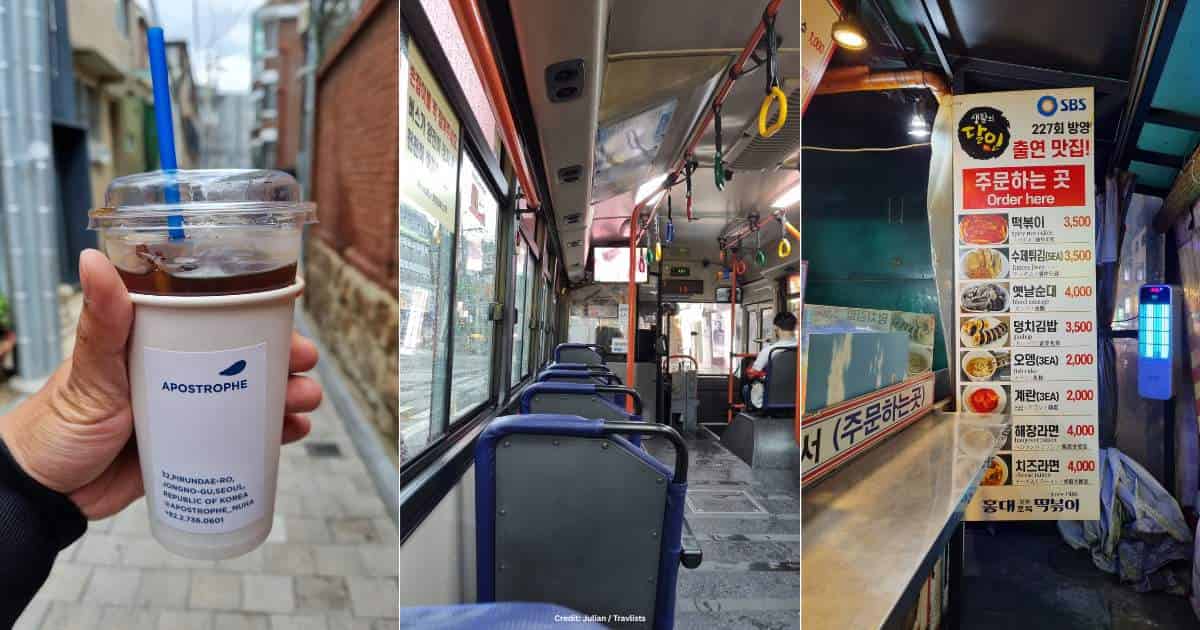
If you’re trying to save money, convenience stores like CU, GS25, 7-Eleven, and emart24 sell surprisingly good small bites like rice rolls or gimbap, sausages, and noodles for around ₩3,000 to ₩6,000. Local coffee chains like Mega Coffee, Compose Coffee, and Paik’s Coffee are also much cheaper than international cafés, while Daiso is a great place to buy chips and canned goods for ₩1,000 to ₩5,000 (about US$0.70–3.50). Street food such as tteokbokki and fish cakes is another cheap option. I wouldn’t budget more than ₩10,000, or about US$7, for this.
If you prefer eating at restaurants, expect to spend around ₩8,000 to ₩12,000 (US$5–8) for a typical meal with free side dishes in Seoul. Dining at fancier Korean or Western-style restaurants usually costs more, at around ₩15,000–₩25,000 (US$10–17). Korean fried chicken and Korean barbecue also tend to cost more because they’re designed for sharing, with most meals ranging from ₩20,000 to ₩30,000 or higher (US$14–20).
Getting around is also relatively affordable. Subway and bus fares start at around ₩1,500 (US$1) when using a T-money card, while the Climate Card offers unlimited rides on eligible public transportation in Seoul for a fixed daily or longer-duration price, making it worthwhile if you plan to use the subway and buses frequently.
But not everything costs money. Some of my favorite free places to visit include Han River Park. Other places that can be free to enjoy include some palaces, museums like the Seoul Museum of History, parks in Yeouido, Gwanghwamun Square, and neighborhoods that can easily fill an entire day without spending much.
As a rough guide, I would budget around ₩12,000 for each meal and another ₩10,000 for desserts and coffee each day. Accommodation, attractions, transportation outside Seoul, shopping, and tours depend entirely on your itinerary, but having around ₩60,000, or about US$40, per day is generally safe to cover the basics.
How long should a South Korea trip be?
The ideal trip length depends on whether you want to discover Seoul only or visit other cities. For a first trip focused on Seoul, I would recommend at least 4 to 5 full days so you can cover all the neighborhoods or special tourist zones that we will discuss below. If you want to combine Seoul with another city like Busan or Jeju Island, 7 to 10 days gives you more time.
On my first trip to Korea, I actually spent 6 days, all in Seoul. My second trip lasted 13 days: 10 days in Seoul (with a few telecommuting or work days) and one day each in Daejeon, Daegu, and Busan. On my third visit, I spent a week traveling through Seoul, Andong, Daegu, Namwon, and Jeonju.
Now that I live in Korea, I also travel differently. One of my best friends is Korean, and for places like Pohang and Danyang, we usually just stay overnight. It is very doable, and these short trips actually felt just right for me.
4 to 5 days
This is a good window to discover Seoul and nearby attractions. It is just enough time for the main palaces, neighborhoods, shopping areas, cafés, and one easy day trip to nearby places outside Seoul like Nami Island or the DMZ.
7 days
Combine Seoul and Busan. You get the energy of the capital, then a different side of Korea through Busan’s beaches, markets, and coastal attractions.
10 days or more
This lets you add a city or two on top of your trip to Seoul and Busan. I would consider going to Gangneung, Pohang, Daegu, Jeju Island, Gyeongju, or Jeonju. This length works well if you want to spend more time in one area or experience a mix of modern cities, history, temples, and traditional sites without rushing too much.
If you want to do the multi-city tour, consider getting a Korail Pass. I purchased one and it helped me save money. Using it was easy, and making reservations online was smooth as long as you avoid the peak travel seasons or holidays I mentioned in the earlier section.
Which Airlines Fly Direct to South Korea?
If you are thinking of flying direct to South Korea, Korean Air and Asiana offer nonstop flights from North America, Europe, Asia, Oceania, and other regions. Most international travelers arrive through Incheon International Airport, the country’s main international gateway, while some regional flights use Gimpo.
From North America to Incheon
Korean Air and Asiana Airlines operate many of the direct routes, while Delta, United, Air Canada, and other carriers connect cities such as Los Angeles, San Francisco, New York, Seattle, Toronto, and Honolulu with Seoul. Flight times are usually around 13 to 16 hours, depending on where you start.
From Europe to Incheon
Korean Air connects Seoul with cities including London, Paris, Frankfurt, Amsterdam, Madrid, Rome, and Milan. Asiana Airlines serves several European routes as well, while T’way Air offers lower-cost options from selected cities. Turkish Airlines also flies directly between Istanbul and Seoul.
From Asia to Incheon
Asia has the widest range of routes and often the shortest and most affordable flights. Tokyo, Osaka, and Fukuoka have frequent services to Korea, including flights with Jeju Air, Jin Air, Air Busan, and Eastar Jet. Major Southeast Asian cities such as Manila, Clark, Cebu, Bangkok, Kuala Lumpur, Singapore, Hanoi, and Ho Chi Minh City also have regular direct flights.
My Experience with South Korean Airlines
I have flown with Jeju Air, mainly because it was cheaper than other options. I would use it again for the price, but I would avoid it if the schedule meant taking a late-night flight.
I have also flown with Korean Air in both economy and business class. The service has always been pleasant, and I recommend ordering the bibimbap, one of its signature in-flight meals. The Manila schedule has also worked well for me, with morning flights from Incheon and evening flights back to Korea.
Late Arrivals
If your flight lands late at night, check your transport options before departure. Trains and airport buses become limited overnight, while taxis cost more. Booking a hotel near the airport for the first night can be worth considering after a long flight.
What are the best cities to visit in South Korea?
There are many worthwhile places to visit, and this section of the South Korea travel guide gives you an overview based on my own trips and experience. I am not sharing full itineraries here. Instead, I want to give you a sense of what each place felt like and what I would recommend, so you may get ideas for your own trip.
Seoul
For first-time visitors, I recommend starting with Seoul because it gives you the widest mix of neighborhoods, food, shopping, history, nightlife, palaces, and cafés. It’s a good introduction to South Korea, and I do not think any travel blog would skip it.
Most of the attractions, tours, restaurants, and experiences in the next sections focus on the capital because Eisaku and I live in Seoul, so we spend a lot of time here. But if you are wondering whether visiting only this city on your first trip is enough, I would say yes. That’s what I did, and I found it memorable — so memorable that I came back for my second visit just a few months later.
Busan
I love this coastal city. I love the beaches, the city itself, and the food, especially the pork and rice soup (돼지국밥).
Although Busan is South Korea’s second-largest city, it feels very different from Seoul. Most of it is highly developed and works efficiently, but I find it more laid-back. Seaside attractions like Haedong Yonggungsa Temple and the Songdo Marine Cable Car also make it feel distinct from the capital.
Jeju Island
Jeju Island feels very different from Seoul. It is quieter, more spread out, and better suited to travelers who enjoy nature, coastal scenery, and slower days.
Public transportation is more limited, so planning matters more. Seongsan Ilchulbong and Jeju black pork were among the things that made the trip worth it for me. When I moved to Korea, one of the first travel tips I received from a senior Korean colleague was that an overnight stay or two in Jeju is very common among locals.
Incheon
No, we are not going back to the airport section of this South Korea travel guide.
Incheon is a good standalone destination if you have extra time. Whenever I want to visit the beach without traveling too far from Seoul, I go to Eurwangni Beach. I have been there twice, once alone and once with a Turkish friend I met during a Gyeongbokgung Palace tour.
Incheon Chinatown and Wolmido are also worth considering, especially if you want an easy trip outside central Seoul.
Suwon
One of my Korean college friends lives in Suwon, and when I visited, he took me to Hwaseong Fortress. Walking there around sunset was one of the most charming parts of the trip.
We also explored Suwon Chicken Street and went to a café where we wrote notes like a small time capsule. I have not visited Suwon Starfield yet, but I see it often on my social feed, so it may be worth adding to your plan.
Daejeon
I visited Daejeon in 2018 for a day trip. My itinerary was simple. I started at Sungsimdang because Daejeon is famous for bread, walked around Daedong Sky Park, and visited the Expo area.
While writing this guide almost eight years later, I watched a YouTube video of Ahn Jaehyun visiting Daejeon. I found it interesting that even for a Korean, Sungsimdang and the Expo were also top of mind when thinking about the city.
Daejeon is also where my TOPIK test center ended up being. Both of my TOPIK exams were booked at a university there after the Seoul test centers filled up.
Daegu
My South Korea travel guide would not be complete without Daegu.
Before COVID-19, I visited Kim Kwang Suk Street and Seomun Market during my first solo trip. On my second visit, I joined a group tour that included E-World, Daegu Safety Theme Park, Palgongsan Cable Car, and a fried chicken-making experience. I am scared of heights, but I still found the cable car fun. The Safety Theme Park would be great for families with kids.
On my most recent trip after the pandemic, I met a local Korean friend, went bowling, visited Sparkland, and had makchang for dinner. Sparkland is a shopping mall with a rooftop theme park, so the experience felt very different from my earlier visits.
Locals often say Daegu is hotter than other Korean cities, so keep that in mind if you are visiting in summer.
Gangneung
Gangneung is one of the places where I left my heart.
I loved its relaxed atmosphere and noticed many couples, solo travelers, and international visitors. I spent most of my time around Anmok Beach, where I tried different takes on sundubu, including gelato and jjamppong.
I also visited Arte Museum Gangneung, where I enjoyed the scents and visual displays, stopped by a filming location from Goblin, and checked out the BTS bus stop. If these places are on your list, they are manageable to visit in the same trip. Just be careful near the filming location because the waves can get you wet.
Danyang
I visited Danyang with one of my closest Korean friends. We mainly went for paragliding, but the trip became more than that.
Before the flight, we tried garlic sundae (Korean blood sausage) rice soup and had ice cream at Gugyeong Traditional Market. After paragliding, we checked in at Sono Belle Danyang, where a limited-time wine-tasting event happened to be taking place.
Jeonju
Jeonju is famous for bibimbap, although locals from the city sometimes say they do not eat it as often as visitors expect. I still tried it, and it was very good. Sometimes the classic choice is still worth ordering.
I also visited Gyeonggijeon Shrine and Jeonju Hanok Village. Both were worth seeing, and the hanok village had many cafés and small shops hidden between the main streets.
Andong
Another city I need to add to this South Korea travel guide is Andong.
I did not know what to expect before going, but Dosanseowon Confucian Academy became one of the highlights. It takes some walking to reach it, but seeing where scholars studied during the Joseon Dynasty made the trip worthwhile.
I also watched the famous mask performance, spent time at Andong Hahoe Folk Village, and visited Nakgangmulgil Park. The nature there was beautiful and ended up being one of the most memorable parts of my trip.
Namwon
Namwon is known as the City of Love, and it is one of the places I often mention to Korean friends. Many of them tell me they would like to visit too.
I went to Gwanghalluwon Garden, which dates back to 1419, and returned to the area again in the evening. I forgot the name, but the main road nearby was filled with restaurants and branded clothing stores, which made the area feel lively after sunset.
Other Places I Have Visited
I would also like to share more about Pohang, where I had king crab with the same friend who joined me in Danyang, as well as Gapyeong, Yangpyeong, and a few other places I visited with Korean friends.
I am keeping this section contained for brevity. That does not mean these places are secondary or less worth visiting. They simply need more space than I can give them here.
What are the neighborhoods to explore in Seoul and Busan?
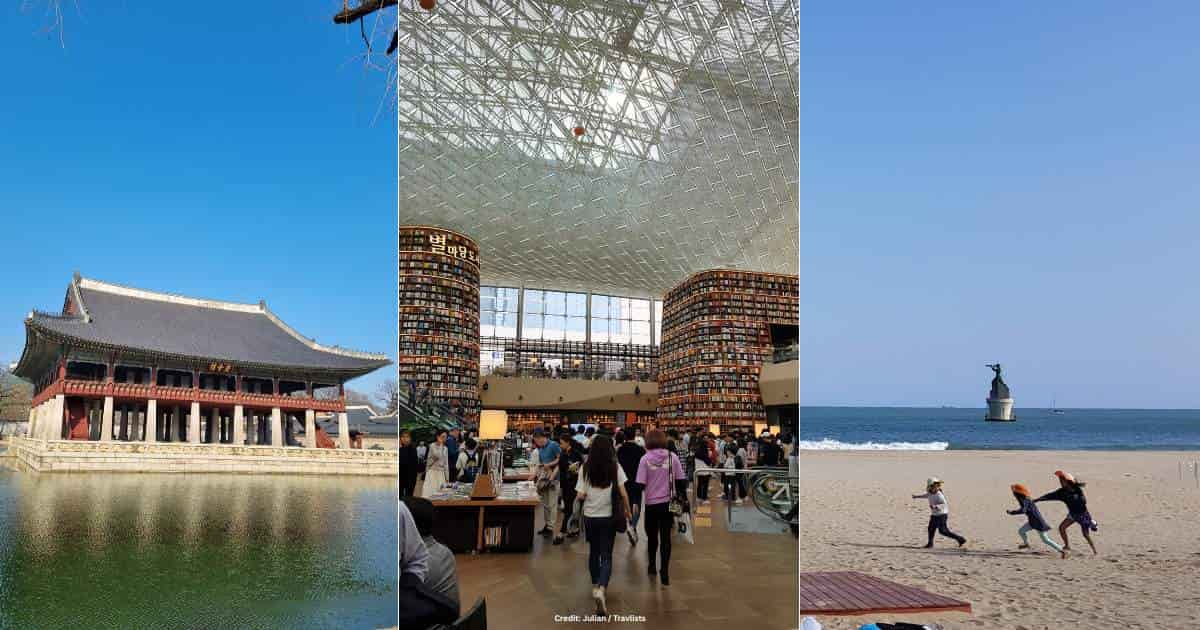
Seoul and Busan have designated Special Tourist Zones, which can be useful when deciding which area you will add in your itinerary.
The list of the neighborhoods below may overlap because one district can include several neighborhoods. I visited most of these areas on my first trip, even before I knew they were official tourist zones, because other travel blogs recommended them so often.
Seoul Special Tourist Zones
- Myeongdong
- Jongno
- Dongdaemun
- Hongdae
- Itaewon
- Gangnam
- Jamsil
Seoul Neighborhoods Gaining Popularity
- Insadong
- Seongsu-dong
- Cheongdam
- Sadang
Busan Special Tourist Zones
- Haeundae
- Yongdusan-Jagalchi
- Dong-gu Cruise Special Tourism Zone
🛍️ Myeongdong
Shopping for Korean cosmetics and clothes, street food, and a popular show almost summarize what Myeongdong can offer. If you are visiting for the first time, you will quickly understand why it is so popular. Almost everything is in one place, and it is easy to spend at least half a day here.
Whenever I visit, I usually get a hot bowl of Myeongdong Kyoja’s kalguksu and dumplings or buy a potato tornado. The more I explored Seoul, though, the more I noticed that street food here can cost more than in Hongdae or Jongno-gu. There are also many other Olive Young branches outside Myeongdong where you do not have to squeeze through such a large crowd. That said, they do have a multi-level Daiso just near Myeongdong Station, which is great for last-minute shopping.
🏙️ Dongdaemun
DDP was the obvious reason I first went to Dongdaemun, but I later realized the area is also good for shopping. Many of my Korean friends told me they used to shop for fabric there when they were younger. Today, it is still one of those places people visit for malls and late-night shopping.
When my family came to Korea, we stayed at JW Marriott Dongdaemun Square. One night, my mom then left us to go shopping on her own. It was funny how easily she managed it without me, even though I am the one who lives here.
🏛️ Jongno
Though not trending on TikTok, I would definitely recommend Jongno in this South Korea travel guide.
The area feels more businesslike, with many offices and older streets mixed together. I brought one of my high school friends here twice during the same trip. One evening, we ate at a malatang restaurant. The next day, we walked along Cheonggyecheon Stream.
Eisaku and I have also spent a lot of time in Jongno. I once celebrated my birthday here with Korean barbecue and jokbal. I have not visited yet, but Jongno-gu is also home to Imun Seolnongtang, a restaurant that has served ox-bone soup for more than 100 years.
🎧 Hongdae
Hongdae is one of the areas I enjoy the most. I have lived here and still spent weekends in the neighborhood with Korean friends and colleagues after moving away.
It is a university area, so the youthful atmosphere is easy to feel. There are many good restaurants (matjip), bars, local clothing stores, salons, photo studios, and even a Harry Potter-themed café. Busking is also popular, and it is something you can enjoy for free.
Several friends visiting Korea for the first time told me they would choose Hongdae as their base next time instead of Myeongdong.
🌍 Itaewon
During my first few years in Korea, I often went to Itaewon for non-Korean food and nightlife. I also spent my first Christmas here with a friend. (After drinking all night, we ended up at a 24-hour Turkish restaurant.)
At first glance, the neighborhood may look similar to other parts of Seoul, but it has a much larger mix of foreign-owned businesses, international restaurants, and visitors from different countries.
✨ Gangnam
Gangnam is one of the more posh places in Seoul. That is how I felt after exploring it several times.
I have visited Seolleung and Jeongneung Royal Tombs, COEX Mall, Starfield Library, and Bongeunsa Temple. I also tried a treatment at one of the beauty clinics in the area.
I have had brunch several times around Apgujeong Rodeo Street, which also becomes a popular nightlife area in the evening.
🎢 Jamsil
Since I live on the other side of Seoul near Yeouido, I admit I have not spent as much time in Jamsil.
Still, I have visited Lotte World twice and Seoul Sky once. If you are traveling with family and want a theme park inside Seoul, Jamsil is worth adding to your itinerary. If you want to watch a baseball game or simply see the stadium where matches are played, I do recommend adding Jamsil Baseball Stadium to your itinerary.
🎁 Insadong
Insadong is in Jongno and is known for traditional shops, restaurants, and locally made souvenirs. When my family visited Korea, they stayed here based on my recommendation.
It is one of the easiest places to find gifts that feel more traditional than what you would normally see in a department store or shopping mall.
☕ Seongsu-dong
Seongsu-dong became popular for its cafés and creative culture. I first visited mainly for Café Onion, but there are now many newer coffee roasters and cafés worth trying.
It is also a good place to shop for modern Korean brands, clothing, and lifestyle products.
🌊 Haeundae (Busan)
Haeundae is one of the first places that comes to mind when I think about Busan. I have visited several times, and I loved the beach.
Busan still has a strong city infrastructure, but having an area like Haeundae gives it a different feel from Seoul. You can spend time by the water without leaving the city behind.
🐟 Yongdusan-Jagalchi (Busan)
Jagalchi Market was one of my favorite stops in Busan. Eating fresh seafood here is definitely worth considering, and the local vendors I met were always kind.
The surrounding area is also easy to combine with Yongdusan Park and nearby streets.
🚢 Dong-gu Cruise Special Tourism Zone (Busan)
The Dong-gu Cruise Special Tourism Zone is a more recently designated tourist area. Like Haeundae and Jagalchi, it also highlights Busan’s connection to the sea.
I have visited Busan Chinatown, but I have not been to Choryang Ibagu-gil. I am definitely adding it to my next visit.
Where to stay in Seoul and Busan?
First off, aside from hotels, resorts, guesthouses, and capsule hotels, South Korea also has some unique places to stay. You can spend a night in a traditional hanok, or even experience a temple stay, which is popular across East Asia. Consider this if you want a truly unique Korea trip.
If you prefer something more familiar, there are also plenty of hotels and Airbnb properties that you can book, just like I did. Rather than trying to make this a definitive South Korea travel guide to every hotel in the country, I’d rather share where I personally stayed and why I chose each one.
Nine Tree by Parnas Insadong
This was one of the hotels I booked for my family trip. We chose it because the room had two double beds, which comfortably fit three to four people without needing to book a second room.
I also liked its location. Insadong is within walking distance of Gyeongbokgung Palace and Jongno, while Myeongdong is only a short bus ride away. If you prefer staying in Myeongdong instead, Nine Tree also has hotels there.
JW Marriott Dongdaemun Square
After a few nights at Nine Tree, we moved to JW Marriott Dongdaemun for the rest of our stay. We booked another room with two queen beds, which gave our family of four adults more space.
The executive lounge became one of my favorite parts of the stay. We enjoyed afternoon sweets there, while the evening canapés were filling enough that we did not even need to look for dinner. Breakfast overlooking Dongdaemun Gate was another highlight.
The hotel also has direct access to the subway and a Korea Airport Limousine stop just outside, making airport transfers very convenient.
L7 Myeongdong
I like L7 Myeongdong mainly because of its location. Some rooms have views of N Seoul Tower, and Myeongdong Station is only a short walk away.
If shopping is one of your priorities, it is hard to beat the convenience of staying here since the main shopping streets are literally just a few minutes away.
THE CAPSULE Myeongdong
Among the capsule hotels I have stayed in, this is one of the more modern ones. They also have separate floors or areas for men and women.
I’d recommend it if you want to save money or meet other travelers. It is not the kind of place where you spend the whole day relaxing, but if you simply need a clean place to sleep after exploring Seoul, it does the job very well.
If you are looking for more accommodation options in the area, check out my guide to the best hotels in Myeongdong.
ibis Styles Ambassador Incheon Airport Terminal 2
Whenever I have an early morning flight from Incheon Airport Terminal 2, this is the hotel I usually book.
The rooms are clean, breakfast has a good mix of Korean and Western dishes, and the free airport shuttle runs regularly throughout the day. It saves me from worrying about catching the first airport train or bus in the morning.
Ark Blue Hotel Busan
I was pleasantly surprised by this hotel. Even though it is right in one of Busan’s busiest tourist areas, the rates are usually very reasonable.
Most rooms are under US$70 a night, yet they are clean and well maintained. The biggest advantage is the location. Haeundae Beach is only about a five-minute walk, making it an easy choice if you want to spend most of your time by the sea.
I usually book my stays in Seoul through Klook. Not only do they have neat listings of accommodations for families, groups of friends, and solo travelers, but they also offer cashback in the form of Klook Cash, which can be used toward your next trip. Find accommodations in Seoul and Busan ➜
Which Seoul attractions & theme parks are worth visiting?
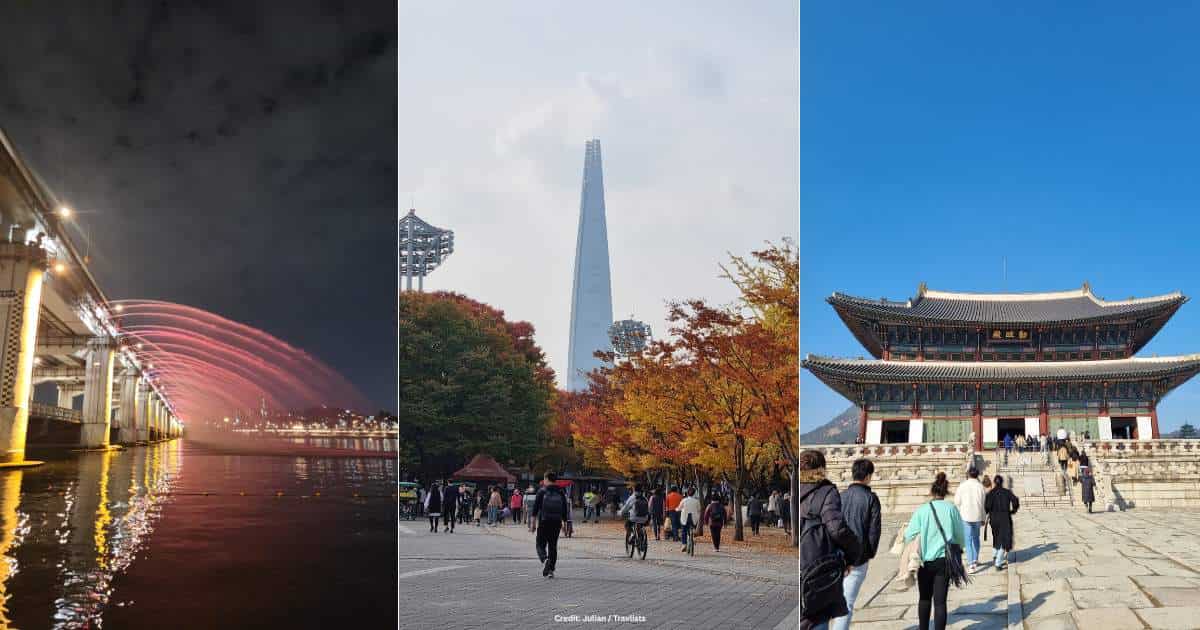
This section of the South Korea travel guide lists attractions that I have personally visited. Seoul and other cities have something for different kinds of travelers, whether you prefer museums, observation decks, historic sites, or nature.
This is not a complete list. I am focusing on the places I prioritized during my earlier trips, as well as the attractions I noticed friends booking when they visited Korea.
Han River
I would put the Han River first, not simply because it is free, but because it is one of the best places to appreciate the beauty of South Korea.
The river has several parks where locals regularly spend time. I have visited Ttukseom, Mangwon, and Banpo, but Yeouido Hangang Park is still my favorite. I have brought friends and family here, and they all enjoyed it.
Across from Yoido Full Gospel Church, there is a park area with a fried chicken shop and a convenience store. You can order a box of yangnyeom chicken, have a bowl of instant ramyun, and enjoy both beside the river. Han River cruises also depart from Yeouido, and travelers can ride one to feel the river.
N Seoul Tower
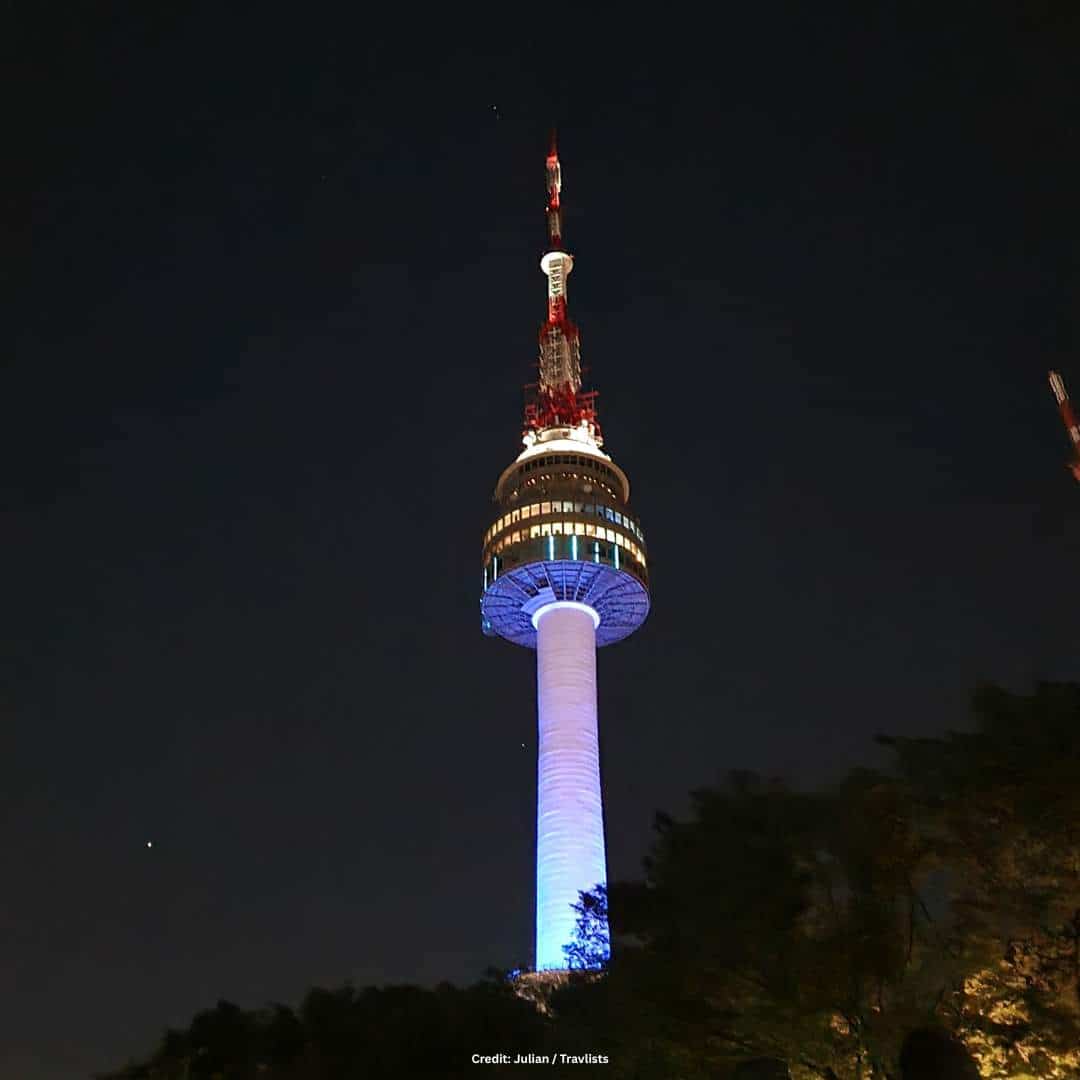
I would recommend N Seoul Tower for first-time visitors. The observation deck mainly gives you a view of the city from above, but the full visit includes more than that.
You can see the love locks at the base of the tower, ride the Namsan Cable Car, have pork cutlet lunch with a view, or take an easy hike up Namsan if you want more nature in your itinerary.
Gyeongbokgung Palace
Gyeongbokgung is the most iconic palace in Seoul, and I think it is worth visiting at least once. This is actually where I first thought that I wanted to live in Korea.
Renting a hanbok is a real experience worth trying, not just a trend, although I would think twice about wearing one during the hottest part of summer. Visitors wearing hanbok can enter the palace for free.
Try to catch the Changing of the Guard Ceremony if the timing works. To me, it felt more ceremonial than theatrical, but it was still worth watching the serious-looking guards continue the tradition.
Afterward, you can easily walk toward Insadong or Gwanghwamun Square, where BTS held a public comeback concert before kicking off their 2026 world tour.
Dongdaemun Design Plaza
Dongdaemun Design Plaza, or DDP, is an architectural landmark worth seeing. Its futuristic shape stands out even more because it is surrounded by older buildings, traditional markets, and historic sites within a few kilometers.
Fashion shows and exhibitions are often held here, and there are cafés inside. There may not always be a long list of things to do in the building itself, but it is one heck of a sight.
Seoul City Wall
If you are already visiting DDP, you can also walk part of the Seoul City Wall starting near Dongdaemun Gate.
During the pandemic, I visited with the same Turkish friend I met on a Gyeongbokgung tour. We rented traditional-style Korean school uniforms for men and took photos while walking along the hilly wall.
Seoul Forest Park
Seoul Forest feels more like a sanctuary than an attraction. Locals and visitors come here for nature-themed healing, a slow walk, or simply a break from the city.
I visited during autumn and could not stop taking photos of the trails. It is a good place to add when you want a quieter day without traveling far from central Seoul.
Lotte World
Lotte World is easy to add to a Seoul itinerary because it is directly connected to the subway. I have visited twice and enjoyed spending time in both the indoor park and the outdoor Magic Island area, which are covered by the same general admission ticket.
I would recommend trying the carousel and the Viking ship. The outdoor section is especially nice in spring because it sits beside Seokchon Lake, which is surrounded by cherry blossoms.
Everland
Everland is technically outside Seoul, but it is still easy to visit because transfers are available from several locations in the city.
This is closer to what I imagine a classic theme park to be, with a wide open layout and plenty of space between rides. Compared with Lotte World, it feels much larger, while Lotte World has the advantage of being easier to reach and partly indoors.
I would recommend the wooden roller coaster to anyone brave enough to ride it. I am still too scared to try it myself. Even without the biggest rides, you can still get your money’s worth by spending time in the zoo-themed areas.
You can also combine Everland with Caribbean Bay, the water park beside it, if you want to make the trip outside Seoul more worthwhile.
What are the best South Korea day tours, scenic rides, & outdoor experiences?
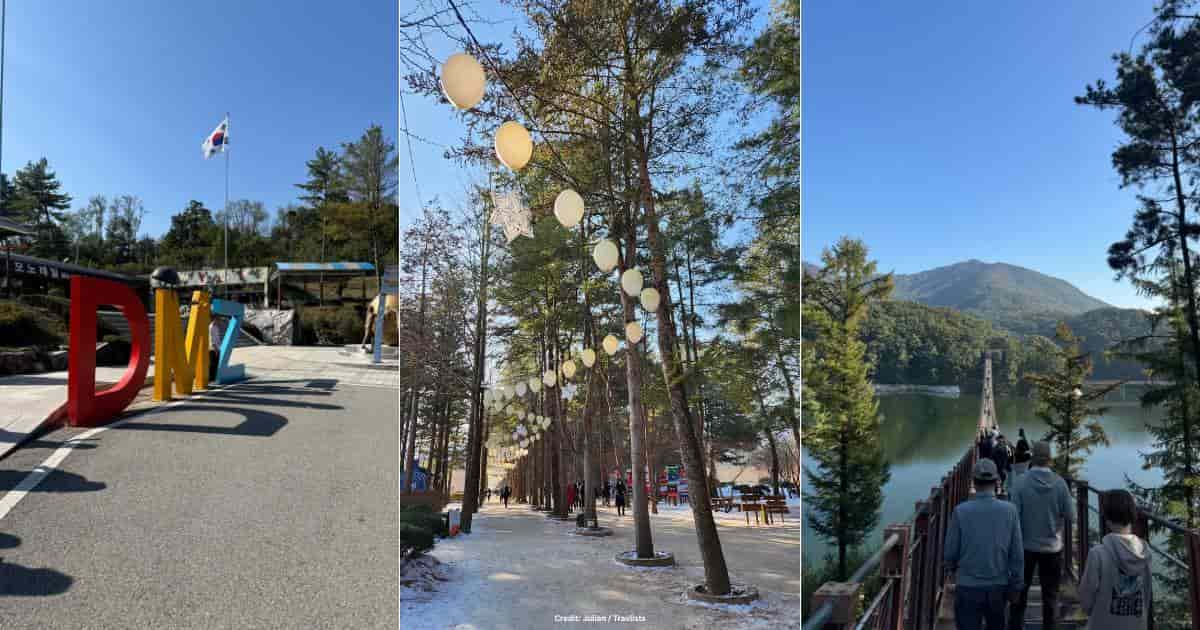
Tours are a convenient way to experience South Korea, especially when they include a live guide, transfers, and admission to several attractions. Some guides also help take photos along the way, which can be useful for solo travelers, families, and larger groups.
They require less planning on your end and can be especially helpful when traveling with children or seniors. For this South Korea travel guide, some of the tours and outdoor experiences I would recommend based on my own trips and research are below.
DMZ Tour from Seoul
I first booked a DMZ tour when I was still visiting Korea as a tourist, but I missed it because of a logistics problem. I finally had the chance to rebook years later and visit with my college friends.
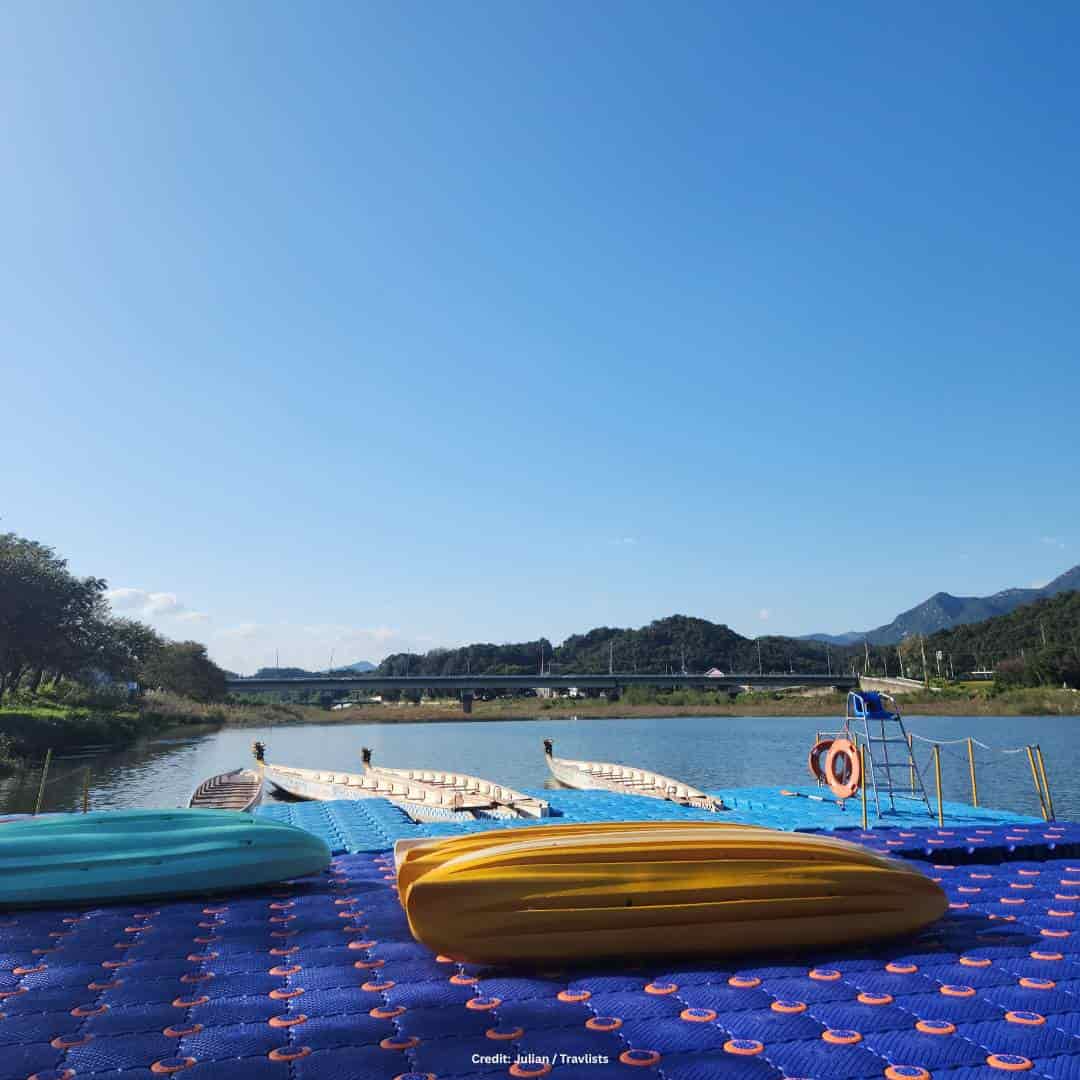
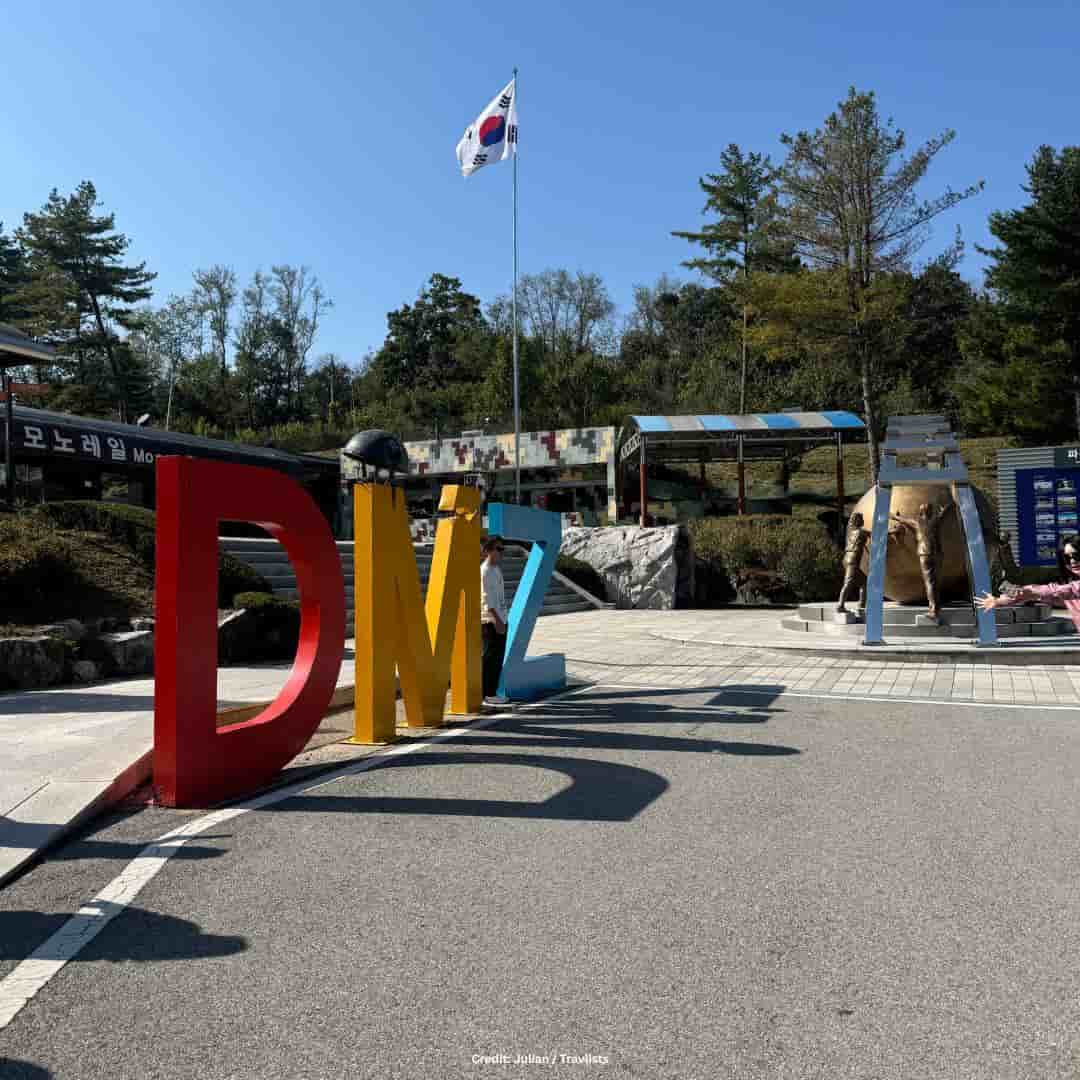
I found that there are many DMZ tours to choose from, but I would recommend the one we actually joined. It picked us up in Hongdae and included Majang Lake Suspension Bridge, the 3rd Infiltration Tunnel, Dora Observatory, a drive through Unification Village, and Imjingak Park.
Each stop had a meaning, although my college friends noted that some of the commentary could feel politically sensitive. Our guide, Lily, was very kind and accommodating, and we never felt rushed. Overall, I would recommend the experience.
Nami Island
Nami Island is worth visiting if you want a scenic getaway near Seoul. It is popular on Instagram and TikTok for its tree-lined paths, which change noticeably with the seasons.
The first time I visited, I only booked transportation and bought my admission ticket on-site. On my second visit, I joined an all-inclusive tour that stopped at both Nami Island and Petite France.
If you want to see several places in one day, there are also tours that combine Nami Island with three or more nearby attractions.
Inkigayo
If you want to watch a live broadcast of Inkigayo, a K-pop music show, this tour gives you a confirmed way to see idols perform rather than leaving it to chance during your trip.
Depending on the schedule, the tour may also include stops at well-known Seoul attractions such as Gwanghwamun Square, Cheonggyecheon Stream, and Gwangjang Market.
I would not recommend this to budget travelers because it can be expensive, but it may be worth considering if watching a live K-pop broadcast is one of your main reasons for visiting Korea.
Seoul City Tour Bus
The Seoul City Tour Bus is the city’s hop-on, hop-off sightseeing bus, and I regularly see it after work.
The bus departs from central Seoul and follows a route that includes major stops such as Namsan, Myeongdong, and Gwanghwamun Square. I would recommend it if you want a quick overview of the city without planning every subway route yourself.
There is also a separate night course that I have not tried yet. Perhaps I will finally do it on my next free day.
Inwangsan
My team at work once hiked Inwangsan after office hours. If you are looking for a mountain to climb without leaving Seoul, this is a good option.
The hike is generally beginner-friendly, although the route we took was blocked halfway through, so we had to go back down and climb through another path. It made the trip longer than expected, but the views made the climb worth it.
What are the must-try food & restaurants in South Korea?
This part of our South Korea travel guide covers two things: some of my favorite Korean dishes and the different types of restaurants I think are worth trying.
Before that, I know some travelers hesitate to visit because they worry they may not enjoy Korean food. If that is you, let me reassure you that Korea is surprisingly diverse when it comes to dining. Aside from its own cuisine, you will easily find international fast-food and casual restaurant chains such as Popeyes, Shake Shack, Din Tai Fung, Starbucks, Panda Express, McDonald’s, and even Gordon Ramsay Street Burger.
In Seoul especially, it is also easy to find American Chinese, Thai, Vietnamese, Turkish, Indian, Japanese, and many other international restaurants. Even if Korean food turns out not to be your favorite, you will still have plenty of choices.
Now that is out of the way, I wanted to share some of my favorite Korean dishes. I was not born in Korea, and there are times when I miss the food back home. Still, I have gone more than a year eating almost nothing but Korean food, including Korean takes on Western dishes. There is still a lot I have not tried, but these are the dishes I find myself ordering again and again.
My Favorite Korean Dishes
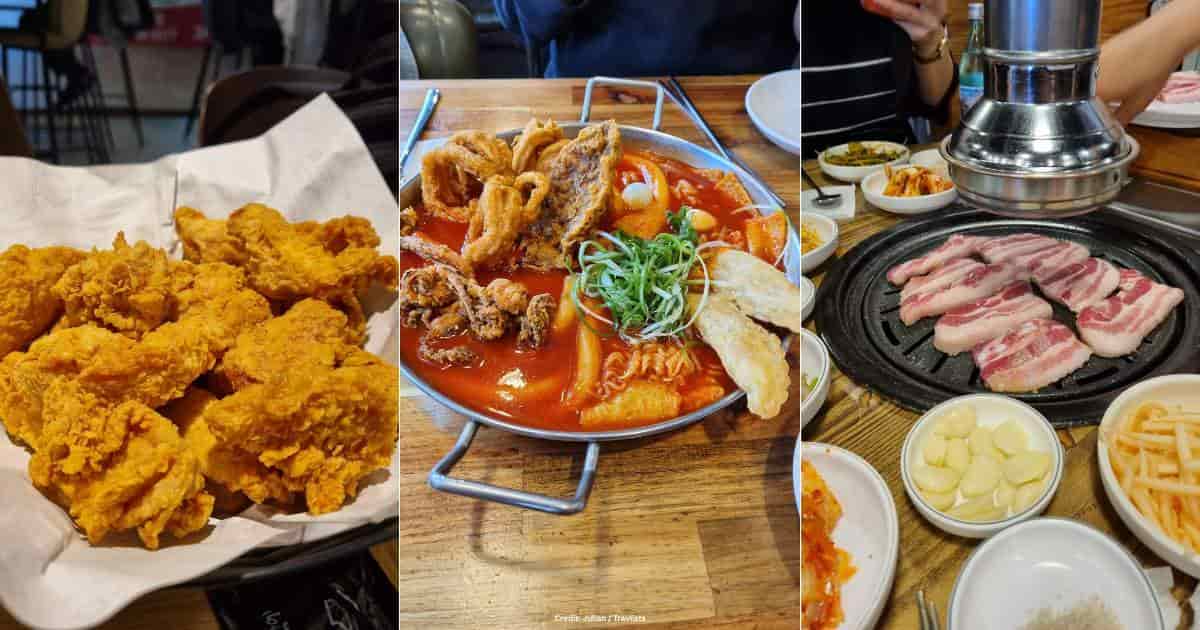
🥘 Stews or Jjigae
- Kimchi jjigae
- Sundubu jjigae
- Budae jjigae, or army stew
I used to eat sundubu jjigae for lunch with my colleagues so often that I earned a reputation for it. What is not to like about a mildly spicy soup with tofu, ham, and cheese?
Kimchi jjigae is another favorite, and the best one I know is near Seoul City Hall. I would gatekeep this, but I am willing to share if you ask.
🍖 Braised Dishes, or Jjim
- Kimchi jjim
- Galbi jjim
There was a time when I ate galbi jjim three times in one week. That is how much I liked it.
You will usually find a soy-based version that is slightly sweet and a spicier version. I like both and usually order it when I am craving something meaty.
🍲 Soups, or Guk, Gukbap and Tang
- Sundaeguk
- Gamjatang
- Odaengtang, or fish cake soup
- Miyeokguk, or seaweed soup
- Manduguk
Sundaeguk is a very normal everyday meal in Korea, although the idea of sundae, or Korean blood sausage, may still be unfamiliar to some travelers. The best ones I have tried were in Sadang, near Gwanghwamun Station, and in Sinchon.
When I am sick or craving bone broth, I usually go for gamjatang. It is a pork bone soup with tender meat and potatoes, and it is also a good hangover recovery meal.
🍜 Noodles
- Naengmyeon
- Kalguksu
Naengmyeon is commonly eaten after Korean barbecue, and it really hits the spot after a heavy meal. The best one I tried was in Andong. I forgot the name, but I will definitely update this guide once it comes back to me.
🥩 Korean BBQ
- Moksal
- Samgyeopsal
- Ogyeopsal
- Hanwoo
I was asking ChatGPT about these cuts the other day. Even though I have eaten moksal, ogyeopsal, and samgyeopsal many times, including at home during my housewarming, I still could not confidently say which one was healthier.
What I can say is that all of them are delicious.
🍗 Fried Food
- Tonkatsu
- Yangnyeom chicken
- Soy garlic chicken
- Korean corn dogs
- Mandu
Korean fried chicken is one of a kind. I know it is often double-fried, but the flavor and crispiness are hard to beat, even when you order the plain version.
These days, I am into Mexicana’s Cheetos fried chicken. It sounds unusual, but it is really good.
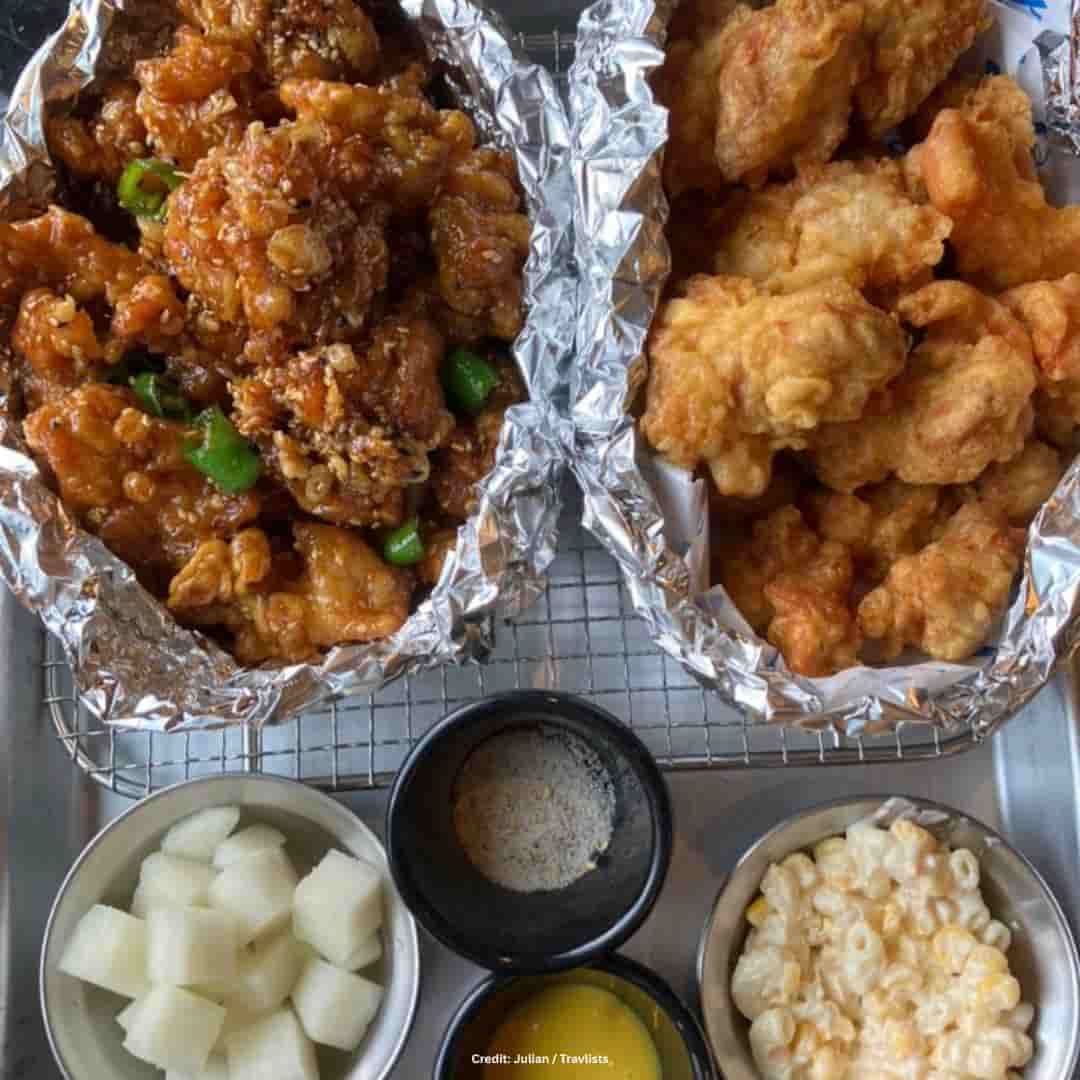
For first-time visitors, I recommend ordering banban, or half-and-half chicken. A common combination is plain fried chicken on one side and yangnyeom on the other. BBQ Chicken serves satisfying half-and-half. (If there is only one thing I wish you take from this blog, let it be this tip.)
I’ve had a lot of fried chicken in Myeongdong over the years. When my previous boss visited with her partner, I brought them to BBQ Chicken and ordered the half-and-half, along with tater tots on the side and rice. It’s still one of my go-to recommendations for visitors who want a reliable, satisfying order without overthinking it.
My very first fried chicken experience in Korea, though, was at Two Two Fried Chicken, right beside Pacific Hotel Myeongdong. I brought a box back to my guesthouse, and some of the other travelers staying there said it smelled so good that I ended up sharing it with them.
🥢 Korean-Chinese Food
- Jjajangmyeon
- Jjajangbap
- Tangsuyuk
🍚 Rice Dishes
- Bulgogi
- Bibimbap
🌶️ Rice Cakes
- Tteokbokki
- Sotteok sotteok
🥞 Fritters
- Pajeon
- Bindaetteok
🍖 Meat Dishes
- Tteokgalbi
- Jokbal
- Gopchang
🍧 Desserts
- Bingsu
- Yakgwa
Where to Dine
Rather than recommending individual restaurants, I would rather give you an overview of the different dining places you will come across. Taste is subjective, but these are the kinds of places I keep returning to.
🍢 Pojangmacha
Pojangmacha are street-side spots, often covered by tents, that many people associate with Korean nightlife. They commonly serve tteokbokki, sundae, fish cakes, soju, beer, and other simple comfort food.
The ones I enjoyed most were in Sinchon, Hongdae, and Yeongdeungpo.
🧺 Traditional Markets
Traditional markets are some of my favorite places to eat because you can try several dishes in one visit.
Gwangjang Market is probably the most famous, although some stalls have been criticized for charging tourists inflated prices. Mangwon Market is another one I enjoy visiting. You can find mayak gimbap, kalguksu, tteokbokki, mandu, rice cakes, and many other snacks.
🍽️ Korean Restaurant Chains
Korea has many casual restaurant chains that locals visit regularly. Some I have enjoyed include VIPS, Ssada Gimbap, and Halmeoni Jokbal.
For fried chicken, BBQ Chicken, BHC, Kyochon, and Mexicana are all popular. If you prefer oven-baked chicken, I would recommend trying Goobne.
☕ Cafés
Korea’s café culture deserves its reputation.
Large chains such as A Twosome Place, Ediya Coffee, Mega Coffee, and Paik’s Coffee are everywhere, but I also enjoy finding independent cafés and local roasters.
⭐ Michelin-Starred and Blue Ribbon Restaurants
If you are celebrating something special or simply want a memorable meal, South Korea has many Michelin-starred and Blue Ribbon restaurants.
A number of them can be booked through Catchtable, including restaurants run by well-known Korean chefs.
Some Cool Things I Have Learned From My Korean Friends
When it rains, many Koreans crave makgeolli with bindaetteok or another type of Korean pancake.
During summer, many people believe in “fighting heat with heat,” so eating a boiling bowl of samgyetang on one of the hottest days of the year is considered perfectly normal.
Another thing I learned is that different cities are known for their own dishes. Jeju is famous for black pork, Busan for dwaeji gukbap, Chuncheon for dakgalbi, Gangneung for sundubu-themed dishes, and Jeonju for bibimbap. Keep this in mind when traveling outside Seoul because trying the local specialty can become part of the trip.
And if you are wondering what single dish Seoul is most famous for, that makes two of us. The city has so many long-standing foods and restaurants that designating only one feels almost impossible, even for locals.
One final tip if you are traveling solo. While many restaurants welcome solo diners, Korean barbecue restaurants often require at least two portions and may not seat a single diner. It never hurts to ask, and some places will serve you if you are willing to order enough for two, but others may politely decline.
Where to shop in South Korea for K-Beauty products, clothes, and souvenirs?
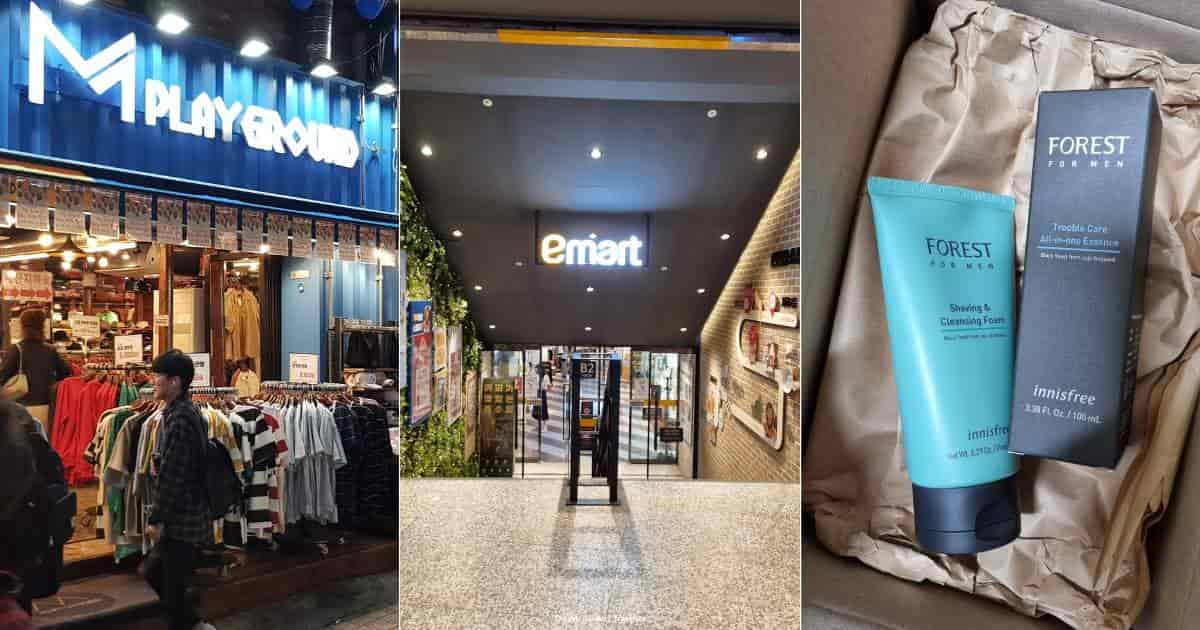
Daiso for Affordable Souvenirs
Let me start with a tip for budget-conscious travelers buying souvenirs for themselves or others. Check Daiso first.
Although Daiso started as a Japanese brand, the Korean business operates separately. You can find everyday items, tote bags, bath products, phone accessories, snacks, and even small electronics at low prices. It is so easy to overspend that many locals joke about leaving with more than they planned to buy.
Olive Young for K-Beauty Shopping
For K-beauty hauls, Olive Young is still my first choice. Skinfood and Innisfree are also worth visiting, but Olive Young is where I usually find the latest product trends and cult favorites, unless they have already sold out. Their Myeongdong Flagship Store is popular and worth visiting, but personally, I walk away the moment I see the queue at the cash register. Maybe that is the Korean ppalli-ppalli growing on me.
I recommend visiting other Olive Young flagship branches in Hongdae and Gangnam, as well as smaller neighborhood stores that are often much easier to browse.
One thing to keep in mind in Myeongdong is that not all stores carry only Korean brands. There is nothing wrong with that, but if you are specifically shopping for K-beauty, check the brands carried in-store or look them up before buying. (As a tip, when you’re back in your home country, you can still shop online through the Olive Young Global store.)
8Seconds & SPAO for Clothes
For clothes, I would recommend Topten10, Musinsa Standard, thisisneverthat, COVERNAT, SPAO, and 8Seconds, which is part of Samsung’s fashion business.
If you are looking for a brand similar to Uniqlo, I would point you to Topten10, SPAO, and 8Seconds. Among the three, I usually check 8Seconds first if I want a sharp look and SPAO if I want to add on to my daily wear.
For cheaper alternatives, Hongdae and Dongdaemun have plenty of vintage shops, streetwear stores, and independent clothing retailers.
Gentle Monster for Eyewear
Gentle Monster and Blue Elephant are especially popular for eyewear. If you are looking for other accessories, Myeongdong and Hongdae both have a wide selection.
The Hyundai and IFC for Shopping Malls
If you want shopping malls with a mix of luxury and local brands, consider IFC Mall, Times Square, or The Hyundai Seoul in Yeouido. For discounted branded items, the outlets in Paju are worth the bus ride. (I usually go to Paju if I want to purchase a new set of kicks. Most stores in Hongdae or even online don’t carry my shoe size, so I make the trip.)
Emart for Groceries
For groceries and bulk shopping, look for Emart (this is different from Emart24, which is a convenience store), Lotte Mart, or Costco. If you are just looking for snacks, there are a couple of dollar-store-style snack shops in Sinchon and Hongdae.
Since I live in Yeongdeungpo, I usually go to Times Square. It has an Emart, cinemas, fashion stores, and plenty of Korean and Western restaurants, so I can get several things done in one visit.
What are other experiences you can have in South Korea?
Tours and attractions are not all Korea has to offer. During my trips as a tourist and my stay as a resident, I have come to enjoy several unique experiences that go beyond sightseeing.
Some are cultural and help you understand more about the people and the country. Others are nature-themed, seasonal, or simply activities that both locals and travelers can enjoy. These are the ones I found very worthwhile.
Jjimjilbang
A jjimjilbang is a Korean bathhouse and sauna, and it is one of the experiences I think travelers should try at least once.
I used to feel anxious about going, but I eventually realized that Korean families and friends often visit jjimjilbangs to relax and spend time together. Yes, the bath area may feel unfamiliar to some visitors because people are usually naked in the same-gender rooms, but that is not the whole point of the experience.
After showering and using the bath area, you change into the provided clothes and enter the shared jjimjilbang space. This is where you can relax, eat boiled eggs, drink sikhye, nap, play games, or sit inside different sauna rooms.
The one I usually visit is called Sealala. Aside from sleeping rooms, it has massage chairs, arcade games, large sauna rooms, wet and dry facilities, and even a small cafeteria. When I was still visiting Korea as a tourist, I would sometimes go to a jjimjilbang the night before departure so I could relax after days of walking.
Kimchi-Making
Although kimchi-making is not as popular as going to N Seoul Tower for the locks or visiting the Han River for a picnic, I think it deserves a spot in this guide.
Kimchi is a Korean staple food, and while it is now available in many countries, making it in Korea gives you a different appreciation for it. I heard from my colleague that some Korean families still gather around December to make their own kimchi for the year. Joining a kimchi-making experience is probably the closest many travelers can get to that tradition.
Personal Color Analysis
Personal color analysis helps you understand which colors match your skin tone and overall image. This kind of consultation is already available in other countries, but Korea has made the service widely accessible to both foreigners and locals.
I would not recommend it if you have already done a detailed consultation elsewhere, since it can be a bit expensive. But if you have never tried it and want to know which colors match your vibe, it can be a fun and useful experience, especially if you plan to shop for clothes, makeup, or accessories in Korea.
Shows and Performances
One of the things I did as a resident that I never did as a tourist was watch a play in Korea. The one I watched starred actor Yoo Seungho, and it was my first time seeing a live theater performance here.
If you are a fan of theater, film, or Korean dramas, watching a live performance can be a memorable addition to your trip. If you do not understand Korean, you can still watch Nanta, a popular non-verbal performance that is easy to follow even without the language.
These days, women-only shows have also become quite popular, and you may have seen them on Instagram or TikTok. They can be worth adding if you want a fun ladies’ night in Seoul.
Skiing
One of the best things to do in Korea during winter is skiing. There are several ski resorts near Seoul, and at least one is accessible by subway, which makes it easier to add to your itinerary.
Based on my research, there are many ski packages available for tourists. A friend from Hong Kong also told me that these packages can be quite a steal, especially when they include transfers, rental equipment, and basic lessons.
Baseball
Korean baseball is one of the things I’ve come to enjoy after moving to Korea. One of my colleagues, who eventually became one of my close friends, is a huge Doosan Bears fan, so his enthusiasm rubbed off on me.
Whenever he invited me to watch a game, he handled everything, from booking the tickets to explaining the chants and traditions. I’m really thankful I never had to figure it all out on my own.
If you’re interested in watching a Korean baseball game but feel intimidated because you do not know where to buy tickets or which team to watch, I found a tour that makes the process much easier. It includes a match ticket, an English-speaking Korean guide, plus meals and beverages. It is a good option if you want to experience the atmosphere without worrying about the logistics.
Skincare Treatments in Seoul
Gangnam is probably the most popular place in Korea for skincare and beauty treatments, not just among foreigners but also among locals. Although Eisaku currently lives in Yeongdeungpo, he still travels across Seoul to Gangnam for his laser hair removal treatments because many well-known clinics are concentrated there.
These days, it is common to find clinics with English-speaking staff or consultation services. Personally, I would still be careful when choosing where to go. I have visited what many people now call a factory skincare clinic in Gangnam, where the goal seemed to be getting patients in and out as quickly as possible. For simpler procedures such as laser hair removal or certain facials, that may be perfectly fine. But for treatments that require more consultation or aftercare, I would spend more time researching.
Here is how I do it: personally, I would not stop at seeing that a clinic offers consultations in English or Chinese. I would also check reviews on Naver, not just Google. Since many of the patients are Korean, Naver reviews can give you a better idea of what locals actually think about the clinic.
Some of the most common treatments visitors get include facials, skin-brightening treatments, Botox, lifting procedures, laser treatments, and double-eyelid surgery.
Aside from Gangnam, I have also spotted K-beauty clinics in Hongdae and Myeongdong, although I have never personally visited one in either area.
Hair and Body Treatments in Seoul
Beauty experiences in Korea are not limited to skincare. Nail salons, hair salons, scalp spas, and other body treatments have also become popular among travelers who want to pamper themselves during their trip.
The safest recommendation I can personally make is Juno Hair. Not every branch offers English assistance, but the Myeongdong and Hongdae branches usually have staff who can communicate at a basic level. I visited the Sinchon branch, which is just outside Hongdae. It was less crowded, and I noticed quite a few foreign customers there as well.
If you cannot speak Korean, it is perfectly normal to show a photo of the haircut or style you want. This is what I did during my first few months here. For scalp spas, the following are some of the options that I found to be popular among Klook users.
South Korea Travel Checklist
Treat this section of the South Korea travel guide as your practical checklist for what to prepare before your trip and what to sort out once you arrive. This is also where the name Travlists comes from: travel lists designed to help you decide what to book, what to bring, and what can wait until later.
📶 Travel Internet
- Best affordable 5G eSIM: Klook eSIM
- Best eSIM for unlimited data: Yesim
- Best overall eSIM provider: BNESIM
- Pocket WiFi or SIM card
🚇 Transportation
🎟️ Attractions
🔌 Utilities
- Plug adapter
🛬 After You Land
📲 Recommended Apps to Download
- Naver Map (English Version)
- KakaoMap
- Papago
- Uber
- Coupang Eats (delivery)
South Korea eSIMs, Pocket WiFi, & SIM Cards
For internet access, I have personally tried eSIMs from Klook, BNESIM, and Yesim. An eSIM is usually the easiest option if your phone supports it because you can set it up before flying and connect as soon as you land.
If you prefer a physical SIM card or need to connect several devices, pocket WiFi may still make more sense. Before the pandemic, I used KT pocket WiFi and SIM cards during my trips, and both worked well for navigation and messaging.
You can compare more options in our South Korea eSIM guide and broader eSIM hub before choosing based on data allowance, trip length, and device compatibility.
More on Getting Around
For public transportation, I have used both T-money and NAMANE cards. T-money is the more straightforward option for buses and subways, while NAMANE can also work as a prepaid payment card. The better choice depends on how you plan to travel and pay during your stay.
If you are visiting several cities, a Korail Pass may help reduce train costs. I used one for a multi-city trip and found the online reservation process straightforward, although popular routes can fill up during holidays and peak travel periods.
For airport transportation, I have taken the KAL Limousine bus. Airport buses are useful if they stop near your hotel or if you are carrying large luggage. Compare the bus route with the airport train and taxi options because the best choice depends on your arrival time and accommodation.
You probably will not need a rental car in Seoul or Busan, but it can be useful where public transportation is less convenient. I rented one for a trip to Pohang, and it gave us more freedom without planning around bus schedules. A car may also be worth considering for Jeju or rural destinations.
For more detailed comparisons, use our South Korea transportation guides before deciding what to book.
Attraction Passes
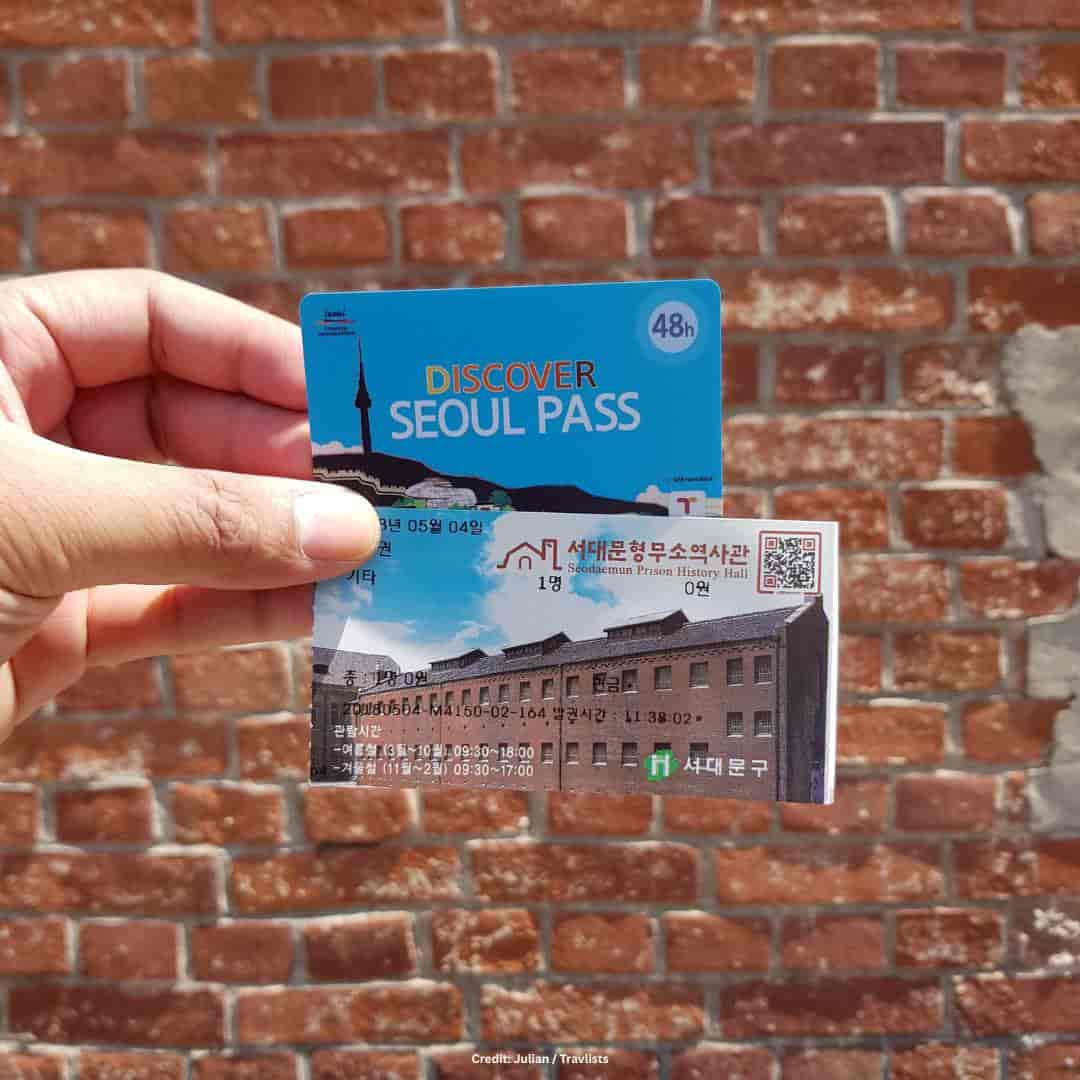
Attraction passes can save money if the included places already match your itinerary. I have used the Discover Seoul Pass before, but I would still compare it with options such as Klook Pass Seoul based on the attractions you actually plan to visit.
A pass is only a good deal when you would have booked enough of the included attractions anyway.
When booking attractions or passes through Klook, check our current Travlists Klook promo code before paying. Add the verified code or link to the Travlists promo-code page here rather than placing an unverified discount in the guide.
Plug Adapter
South Korea uses Type C and Type F plugs. If you have a packing checklist, add a note that you need to bring a compatible adapter if your devices use a different plug.
If you forget one, convenience stores often sell basic adapters. You can also ask your hotel reception because some hotels keep spare adapters for guests.
Money Exchange
WOWPASS is useful if you want access to automated currency exchange and card top-ups at different times of the day. You can also use airport exchange counters or withdraw cash from a global ATM.
I used to withdraw money directly because it was easier, but remember that your own bank and the local ATM may both charge withdrawal fees.
Apps to Download
Naver Map and KakaoMap are the main navigation apps I would prepare before arriving. Papago is useful for translations, while Uber can help with taxi bookings in supported areas.
Coupang Eats can also be useful for food delivery. This is what I used as I noticed delivery is much faster than other apps. Coupang Eats is available in English and international Visa and Mastercard credit or debit cards can easily be added.
Explore More South Korea Guides
Every South Korea guide on Travlists, from visa requirements to eSIMs, transportation, attractions, hotels, and food.
5 Best Jjimjilbang in Seoul, Incheon, & Gyeonggi-do
Thought of as a health and recreation center, locals usually visit with their family or friends to relax.
Best Hotels Near Incheon Airport Terminals 1 & 2 with Free Shuttle
Looking for hotels near Incheon Airport? Compare my top 3 picks near Terminal 1 and 2, with free...
How to Fill Out the South Korea Visa Application Form: Step-by-Step Guide for Filipino Tourists
Getting ready to fill out the South Korea visa application form? Check out our step-by-step guide below and...
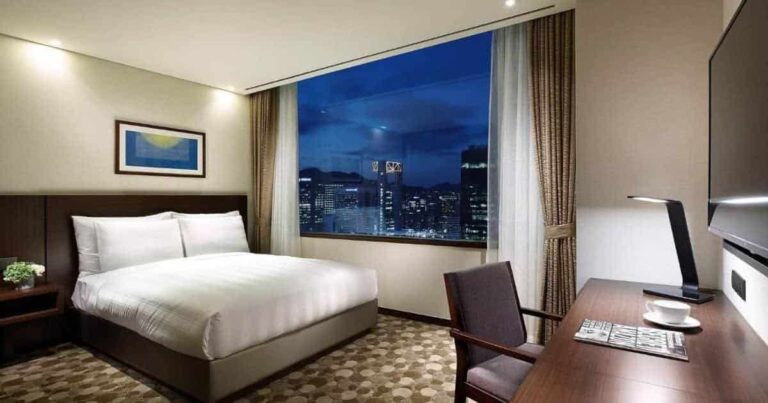
7 Best Hotels in Myeongdong, Seoul for Tourists
Located just 3 minutes away from Euljiro 3-ga station, Lotte City Hotel in Myeongdong is the perfect choice...
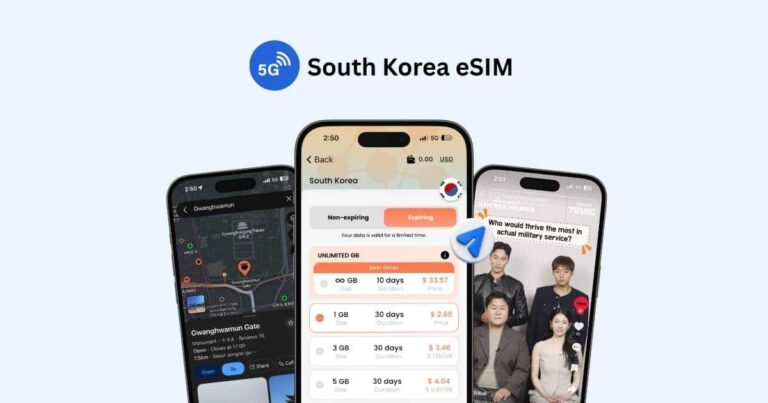
Best South Korea eSIMs in 2026: Unlimited Data & Phone Number
The best South Korea eSIMs for tourists, compared by price, data, phone number, and network coverage.
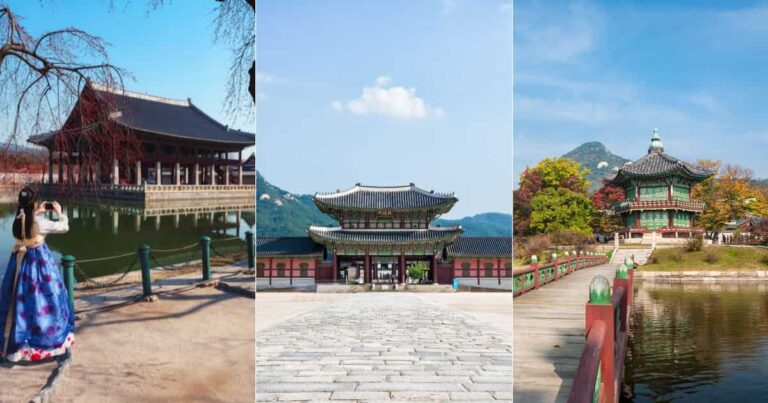
Best Gyeongbokgung Palace Tours with English-Speaking Guide
Exploring the palace with a guide will make your visit even more meaningful.
How I Applied for the TOPIK IBT Exam: Registration Tips & Requirements
Registering for TOPIK in South Korea turned out to be more competitive than I expected.

Best Restaurants in Myeongdong
When in Seoul, no traveler should miss trying the famous dakgalbi or spicy Korean stir-fried chicken!
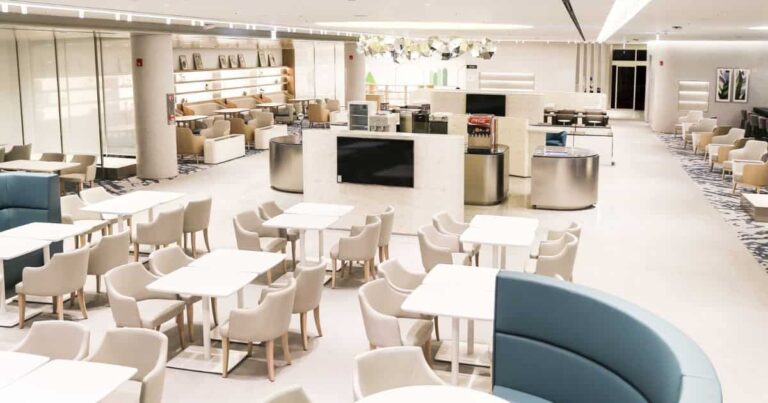
5 Best Lounges in Incheon Airport Terminals 1 & 2
Compare the best Incheon Airport lounges and book with up to 22% discount.
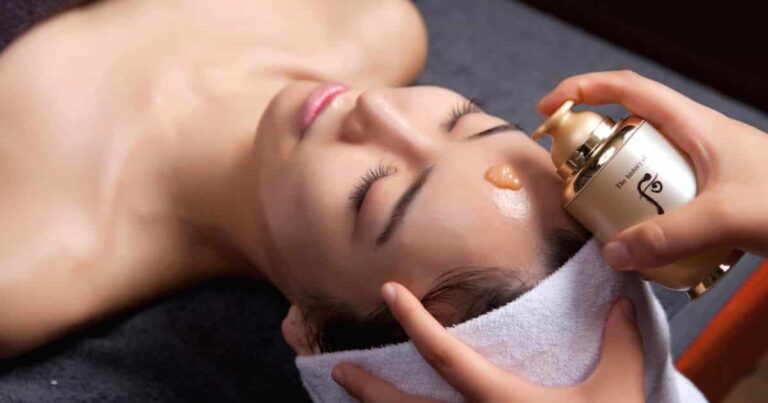
7 Foreigner-Friendly Spas in Seoul for Facial & Body Treatments
From beauty clinics in Gangnam and wellness spas in Myeongdong to Korean-style saunas or jjimjilbang, you can easily...
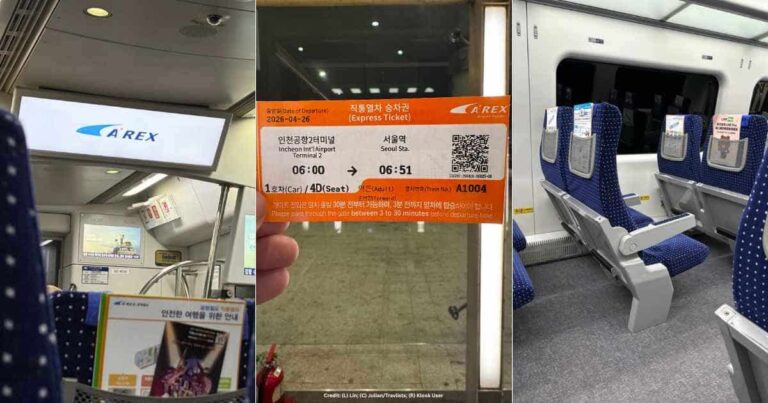
AREX Korea: When to Take the Express Train vs. All-Stop Train
Go from Incheon Airport to Seoul via the Airport Railroad Express! Find discounted AREX train tickets and bundles...
LIST: Updated South Korea Visa Requirements for Filipino Tourists
Preparing to get a Korean visa? Check out the requirements for employees, business owners, students, and other types...
Frequently Asked Questions
Do I need a visa to visit South Korea?
It depends on your nationality. Many passport holders can enter visa-free for short-term tourism, while others need to apply for a C-3-9 tourist visa in advance. Rules vary by country and can change, so always check the Korea Visa Portal or your nearest Korean embassy before booking flights.
What is K-ETA and do I need it?
K-ETA (Korea Electronic Travel Authorization) is a pre-travel approval required for many visa-free travelers before boarding their flight to South Korea. It is not a visa. Some nationalities are temporarily exempt, so check current requirements before applying, since exemptions can change.
What is the best time to visit South Korea?
Autumn (September to November) and spring (March to May) are generally the best times to visit South Korea for comfortable weather and sightseeing. Winter is better for skiing and snow activities, while summer suits beach trips and festivals but comes with heat, humidity, and rain.
How many days do I need in South Korea?
A first-time visit to South Korea typically works well with 5 to 7 days, mostly spent in Seoul. If you want to add a second city like Busan or Jeju, 7 to 10 days gives you more breathing room.
How much does a trip to South Korea cost?
A comfortable day in South Korea, excluding hotels and major purchases, can cost around US$40 per person, though budget travelers can spend less by using convenience stores and public transportation. Costs vary widely based on dining choices, accommodation type, and how many paid attractions or tours you book. See our budgeting guide for a full breakdown.
Is South Korea expensive to visit?
South Korea is moderately priced compared to other developed Asian destinations, with costs that can flex from budget to luxury depending on your choices. Public transportation, convenience store food, and local coffee chains are especially affordable, while accommodation and Korean BBQ tend to cost more.
What is the best way to get around South Korea?
South Korea has one of the world’s most reliable public transportation systems, with subways, buses, and trains covering most tourist destinations. A T-money card is the easiest way to pay for public transit, and a Korail Pass can help reduce costs if you’re visiting multiple cities.
Do I need a car in South Korea?
Most travelers do not need to rent a car in South Korea, since Seoul and Busan have extensive public transportation. A rental car becomes more useful in areas with limited transit, such as Jeju Island or smaller countryside destinations.
What airport should I fly into for South Korea?
Most international travelers arrive at Incheon International Airport (ICN), South Korea’s main international gateway. Gimpo, Busan, and Jeju airports may make sense depending on your specific route or if you’re flying domestically within Korea.
How do I get from Incheon Airport to Seoul?
You can reach Seoul from Incheon Airport by train (AREX), airport limousine bus, or taxi, with travel time ranging from about 45 minutes to over an hour depending on your destination and traffic. AREX is generally the fastest and most predictable option, while the airport limousine bus is convenient if it stops near your hotel.
Do I need an eSIM or SIM card for South Korea?
Getting an eSIM before you arrive is usually the easiest way to stay connected in South Korea, since you can set it up before your flight and connect as soon as you land. A physical SIM card or pocket WiFi are also solid options, especially if you need to connect multiple devices.
What is the best eSIM for Korea?
The best eSIM for Korea depends on your data needs and trip length, but options from providers like Klook, BNESIM, Ubigi, and Yesim are commonly used by tourists for their ease of setup and reliable coverage. Comparing unlimited data plans against fixed-data plans is worth doing before booking. See our best eSIM for Korea guide for a full comparison.
What is KT Olleh?
KT Olleh is one of South Korea’s major telecom providers, offering SIM cards and pocket WiFi rentals that tourists can pick up at Incheon Airport. It’s a common option for travelers who prefer a physical SIM or need pocket WiFi to connect multiple devices at once.
What apps do I need for traveling in South Korea?
Naver Map and KakaoMap are essential for navigation in South Korea, since Google Maps has limited functionality there. Papago is useful for translation, and Uber or Kakao T can help with taxi bookings.
Is English widely spoken in South Korea?
English is commonly understood in tourist areas, major train stations, and airports in South Korea, but it is less common outside these areas. Learning a few basic Korean phrases can make everyday interactions noticeably easier.
What currency does South Korea use, and should I bring cash?
South Korea uses the Korean Won (KRW). Credit and debit cards are accepted almost everywhere, but it’s worth carrying some cash for traditional markets, street food stalls, and smaller local businesses. WOWPASS and currency exchange counters are both convenient ways to get Won.
What plug type and voltage does South Korea use?
South Korea uses Type C and Type F plugs, running on 220V. If your devices use a different plug type, bring a compatible adapter or plan to buy one at a convenience store after arrival.
Is South Korea safe for tourists?
South Korea is generally considered a very safe country for tourists, with low rates of violent crime and a strong public safety infrastructure. As with any destination, standard travel precautions around belongings and personal safety still apply.
What should I know before visiting South Korea?
First-time visitors should know that South Korea blends fast-paced modern city life with deep cultural traditions, and that public transportation, connectivity, and payment options are all highly developed. Preparing a few essentials in advance, like a T-money card, eSIM, and travel documents, makes the trip noticeably smoother.
What is a jjimjilbang and should I try one?
A jjimjilbang is a Korean bathhouse and sauna where guests bathe, relax, and often spend hours in shared heated rooms, and it’s considered one of the more authentic cultural experiences in South Korea. It’s a good one to try at least once, especially since bath areas are separated by gender.
What food should I try in South Korea?
Korean barbecue, bibimbap, tteokbokki, and Korean fried chicken are among the most popular dishes to try in South Korea, though regional specialties like Jeju black pork or Busan’s dwaeji gukbap are worth seeking out too. Korea also has a wide range of international cuisine, especially in Seoul, if Korean food isn’t your main draw.
What’s the best fried chicken in Myeongdong?
BBQ Chicken is a reliable choice in Myeongdong, especially if you order banban (half-and-half chicken) with rice and tater tots on the side. Two Two Fried Chicken, located beside Pacific Hotel Myeongdong, is another solid option and a common first fried-chicken experience for visitors new to Korea.
Why is corned beef prohibited in South Korea?
Corned beef and some other canned or processed meat products are restricted or banned from entering South Korea under its customs and quarantine laws, mainly due to livestock disease prevention rules. Regulations can change, so it’s worth checking the official Korea Customs Service guidelines before packing meat products in your luggage. See our prohibited items in South Korea guide for the full list.
Where should I shop for K-beauty products in South Korea?
Olive Young is the most popular destination for K-beauty shopping in South Korea, with flagship stores in areas like Myeongdong, Hongdae, and Gangnam. Smaller neighborhood branches are often easier to browse than the crowded flagship locations.
Can I get a tax refund on purchases in South Korea?
Yes, eligible tourists can get a tax refund on qualifying purchases in South Korea, typically right after purchase at participating stores if you show your passport. Refund eligibility and process can vary by retailer, so ask at checkout.
Where should first-time visitors stay in South Korea?
Seoul is the easiest base for first-time visitors to South Korea, with Myeongdong, Insadong, and Gangnam being popular neighborhoods depending on your priorities (shopping, traditional charm, or nightlife). Capsule hotels, hanok stays, and standard hotels are all common options depending on budget and trip style. See our guide to the best hotels in Myeongdong for specific recommendations.
Should I visit Seoul or Busan first?
Seoul is generally recommended for first-time visitors to South Korea since it offers the widest range of attractions, food, and transportation options in one place. Busan is a strong second destination if you want a different pace and coastal scenery.
Everland vs. Lotte World: which is better?
Everland is generally better if you want a larger, more traditional theme park experience with more space between rides, while Lotte World is more convenient since it’s directly connected to the Seoul subway and partly indoors. Families and first-timers often lean toward Lotte World for ease of access, while thrill-seekers and those with a full day to spare tend to prefer Everland.
How We Built This Guide
This South Korea travel guide is based on real experience, not just desk research. I have lived and worked in South Korea since 2020, and before moving here, I visited the country once or twice a year as a tourist. That means this guide reflects both sides of my experience: planning Korea trips from abroad and figuring out daily life here after moving.
Many of the places, hotels, foods, transport options, and activities mentioned here are things I have personally tried. I have stayed in the hotels, used the transit cards, booked the passes, taken the trains, joined the tours, eaten the food, and brought friends and family to many of the places included in this guide.
Local Perspective, Official Sources, and Booking Data
Travlists is also built by people with different views of Korea. I write from the perspective of a foreign resident who first experienced South Korea as a tourist, while Eisaku, my Korean co-founder from Busan, adds local context when a place, route, or experience benefits from a Korean perspective.
Where needed, we also check official sources such as the Korea Visa Portal, K-ETA website, tourism boards, transport operators, and attraction pages. Prices, visa rules, routes, opening hours, and booking conditions can change, so we treat this guide as something to keep updating, not something published once and forgotten.
When Travlists booking data is available, we use it as an extra layer of insight. It helps us understand what Travlists readers actually booked after reading our guides. This does not represent the entire travel market, but it can help show which passes, tours, hotels, eSIMs, and transport options were useful enough for our readers to choose.
More South Korea Guides on Travlists
This South Korea guide also connects to the deeper research we’ve built across Travlists. If you want a closer look at any single piece of the trip, our Visa Guides hub breaks down entry requirements by nationality, our eSIM hub compares connectivity options across providers, our Transportation hub covers rail passes, transit cards, and airport transfers in more depth, our Attractions & Tours hub goes further into sightseeing and booking options, and our Hotels hub rounds up where to stay across the country.
This guide is not meant to be an encyclopedia of South Korea. It is meant to help you plan with more confidence using practical experience, local context, official information, and real booking behavior from Travlists readers where available.
About the author
I’m Julian, the editor and co-founder behind Travlists. I’ve lived and worked in South Korea since 2020, after first visiting the country once or twice a year as a tourist. I write our Korea guides from both perspectives: what I learned planning trips from abroad, and what I’ve learned after making Korea part of my daily life.
For this South Korea travel guide, I share places I’ve visited, hotels I’ve stayed in, eSIMs I recommend, food I keep ordering, transport options I’ve used, and practical tips from bringing friends and family around Korea. My goal is to help travelers plan with more confidence using real experience, local context from Eisaku, official source checks, and Travlists reader booking data where available.