
Where to Stay: Hotel Guides & Reviews
Updated for 2026Real hotel stays, practical booking lessons, and honest recommendations to help you decide where to stay.
Hi, I’m Julian, co-founder of Travlists. Where you stay can make or break a trip.
Over the years, I’ve stayed in pretty much everything—hotels, guesthouses, capsule hotels, apartment-style stays, a hanok in Namwon, and even a goshiwon in Seoul without knowing that it was one at first because it was simply listed on Airbnb.
I’ve stayed at Disney Explorers Lodge in Hong Kong with my family, and in a two-room Kowloon Airbnb with my high school friends that had zero elevators. We definitely felt that one in our arms while carrying luggage up the stairs. I’ve also stayed at Seda Vertis North in the Philippines whenever I go back home.
Each stay taught me something different: location matters more than the map suggests, elevator access is not a small detail, breakfast can genuinely change how a stay feels, and the cheapest option is rarely the easiest one.
This Hotels Hub brings together some of the places I’ve stayed and the lessons I picked up along the way. I’ll share what I liked, the mistakes, the surprises, and the things I genuinely wish I had known before booking.
Whether you’re wondering if a Disney or Universal hotel is worth the markup, debating between a hotel and an apartment-style stay, trying to spot red flags in a suspiciously cheap listing, or simply looking for an honest buffet recommendation, I hope these experiences help you make a better decision before your next trip.
Find Hotels by Destination

I’m starting with destinations where either I or Eisaku already have real hotel experience, existing Travlists coverage, or more guides in the works.
South Korea Stays
South Korea covers almost every type of stay you can think of: full-service hotels, guesthouses, capsule hotels, officetel-style apartments, hanoks, goshiwon-style budget rooms, jjimjilbangs, and airport hotels near Incheon.
I’ve tried most of them myself. I stayed in a hanok in Namwon for the traditional atmosphere, booked guesthouses around Myeongdong that served free Jin Ramen and bread, slept in capsule hotels near Jongno and in Busan, and even stayed in a goshiwon where I got a closer look at how some locals actually live.
For a first trip to Seoul, Myeongdong is still one of the easiest places to stay. It’s walkable, central, packed with shops, and easy to reach by public transport and airport bus.
That said, after first visiting Korea as a tourist and now living here for more than five years, Myeongdong would not automatically be my first choice. I usually prefer other neighborhoods depending on the trip. Still, I understand exactly why most of my visiting friends choose Myeongdong: it is convenient, accessible, and easy to navigate when Seoul is still unfamiliar.
For early morning flights, I usually skip the trip from Seoul and book a hotel near Incheon Airport the night before. I’ve stayed at ibis Styles Ambassador near Terminal 2 more than four times, and properties like Grand Hyatt Incheon and Paradise City offer free shuttles to both terminals.
Hong Kong
Choosing where to stay in Hong Kong comes down to room size, neighborhood, building age, and—more than many travelers expect—whether the building has an elevator.
I stayed at Disney Explorers Lodge with my family, which made perfect sense because Hong Kong Disneyland was the main reason for that trip. Staying inside the resort made the whole experience feel more complete.
On a separate trip with my high school friends, we booked an apartment-style stay in Kowloon. It had two rooms and plenty of space for the group, but the building had no elevator. We felt every floor while carrying our luggage up the stairs.
The two stays could not have been more different, but I remember both fondly. One was polished, themed, and part of the destination itself. The other felt more local, more chaotic, and far more memorable than a standard hotel room.
Philippines
The Philippines has no shortage of hotel options, but in Metro Manila, traffic makes location matter more than almost any other city I’ve visited.
I’ve stayed at Seda Vertis North at least three times. It has become a reliable choice for both business and leisure, and practically my home whenever I return to the Philippines for Christmas and visit my family. Many locals also stay there for special occasions or a quick city getaway.
Boracay is a completely different decision. The station matters because each area gives you a different kind of trip. We stayed at Crimson Resort & Spa in Station Zero and loved the privacy, quieter atmosphere, and more exclusive feel. I would absolutely stay there again.
Guam & Hawaii
Guam and Hawaii are very different island destinations, but the hotel decision often starts with the same question: do you want to stay directly on the beach, or somewhere slightly removed from the busiest resort area?
In Guam, the main choice is often between Tamuning and Tumon Bay. In Honolulu, there are beachfront stays beyond the usual Waikiki high-rise experience.
Eisaku has visited Guam several times, and one thing he always mentions is how genuinely nice the resorts were. That resort experience is a big part of the appeal, especially for travelers who want the hotel itself to feel like part of the holiday.
Learn About Accommodation Types
Travelers do not choose hotels for every trip. I know I don’t.
If you are deciding where to stay, it helps to know the different types of accommodation available. Some are cheaper, some are more local, and some are worth booking for the experience alone.
Start here if you are looking for a cheaper option, more space, or something more memorable than a standard hotel room.
Hotels & Resorts
Hotels are the default option, and usually the safest choice if you book a major chain like Marriott or Hilton. You generally know what to expect: consistent service, predictable room standards, and straightforward cancellation policies most of the time.
That said, I also recommend looking at homegrown hotel brands in your destination. Seda and Crimson in the Philippines, Lotte Hotels in Korea—although it now has properties outside the country—and Far East Hospitality in Singapore are good examples.
These brands may operate several properties, but their hotels in their home markets often reflect more of the local culture, architecture, food, and sense of place than an international chain.
Hostels
Hostels work best if you are traveling solo or on a tight budget and do not mind shared spaces. They are good for meeting other travelers, but not ideal if privacy matters to you.
I stayed in a hostel in Bali with a friend, and it genuinely added to the trip. I have also stayed in one in Singapore with my brother. In both cases, the shared environment became part of the experience rather than just a way to save money.
Guesthouses
I stayed in a few guesthouses around Myeongdong in Seoul. They are usually smaller and more personal than hotels, and many are run by the owners themselves.
Guesthouses are a good middle ground between a hostel and a hotel. You can get a more local feel without fully giving up privacy or comfort. Some of the Myeongdong guesthouses I stayed in even offered free Jin Ramen and bread, which was simple but memorable.
Capsule Hotels
I have stayed in capsule hotels near Jongno in Seoul and in Busan. They are small, efficient, and surprisingly comfortable for the size.
They work well for a short stay or when you mainly need somewhere to sleep between activities. They are less practical if you have a lot of luggage or need real personal space.
I also would not recommend them to very light sleepers. You may hear people moving around, opening lockers, or snoring in nearby capsules.
Hanok Stays
I tried a hanok stay in Namwon, and it was genuinely a different experience. Traditional Korean architecture, a slower pace, and a stronger connection to the destination made the stay memorable.
A hanok is worth considering if you care more about atmosphere and cultural experience than convenience. It is probably not the right choice if you need modern amenities, lots of luggage space, or a quick city-center location.
Ryokan & Onsen Hotels
Ryokan and onsen hotels are common in Japan. These are traditional stays that may include tatami rooms, shared or private baths, and set meals.
They can be one of the most memorable parts of a Japan trip, but check the details before booking. Bathing etiquette matters, and some ryokan build the room price around a full dinner and breakfast experience.
That can make the stay feel expensive at first, but the meals are often part of what you are paying for.
Apartment-Style Stays & Airbnb
Apartment-style stays are useful for longer trips, groups, or anyone who wants more space than a standard hotel room.
My biggest lesson: always check elevator access.
The Kowloon Airbnb I stayed in with friends had two rooms and plenty of space, but the building had no elevator. Every return to the apartment became a workout once we had shopping bags or luggage with us.
Also check host reviews, building access, check-in instructions, and how responsive the host is. A spacious apartment is not worth much if getting inside is confusing or the building setup makes the stay difficult.
Goshiwon & Goshitel-Style Stays
I have actually stayed in a goshiwon-style room in Seoul. These are extremely small, budget-focused rooms originally designed for students and people preparing for exams, although some are now listed as ultra-cheap accommodation.
The upside is that you may interact with locals more than you would in a normal hotel. The downside is that the rooms are genuinely tiny, and the experience is not for everyone.
I would only recommend this if you are comfortable with very limited space and mainly need somewhere to crash.
Some goshiwon rooms have a private shower and toilet inside. Others use shared bathrooms, so check the room type carefully before booking.
Jjimjilbangs: Cheap Overnight Rest, Not a Hotel Replacement
I used to recommend jjimjilbangs as a cheap overnight option, and I am walking that back.
Yes, some are open 24 hours and technically allow you to stay overnight. But they are designed for a spa experience, not proper sleep. Expect shared, open sleeping areas, very little privacy, and almost nowhere convenient to keep your luggage.
Treat a jjimjilbang as a cheap experience, a place to rest for a few hours, or an emergency option—not as a normal place to stay.
Airport Hotels
Airport hotels are useful before an early flight, during a long layover, after a late arrival, or when you simply do not want to deal with public transport while exhausted.
I have had good experiences with airport-area hotels near Incheon for exactly this reason. Sometimes the value is not in the room itself. It is in being able to sleep properly, have breakfast, and reach the terminal without turning departure day into another long journey.
Hotel Breakfasts & Buffets Worth Planning Around
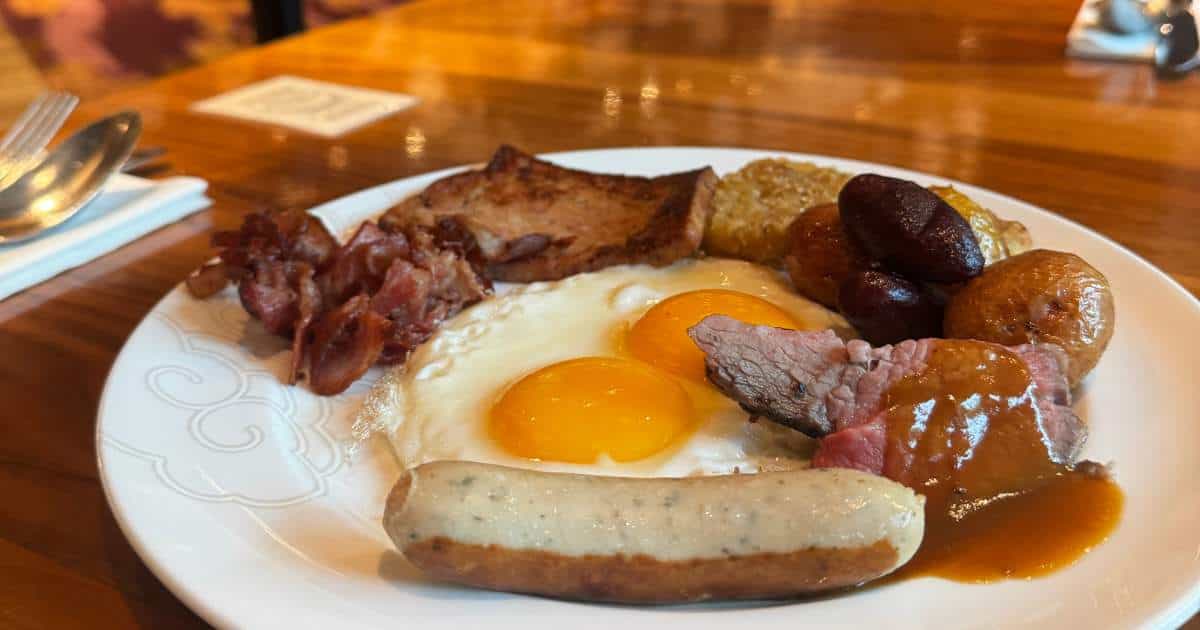
A great buffet can make a hotel feel worth booking again. A bad one can make an otherwise fine stay completely forgettable.
These are hotel breakfasts and buffets I’ve personally tried and would happily book again.
Hong Kong Disneyland Resort
There are two solid breakfast options at Hong Kong Disneyland Resort: Dragon Wind at Disney Explorers Lodge and Ink & Plate at Disney’s Hollywood Hotel.
Ink & Plate served fried rice when I stayed, while Dragon Wind only had plain rice. But in terms of variety and overall taste, Dragon Wind was much better.
Dragon Wind leans more into the full character-dining and resort-experience feel. Ink & Plate is better if you want something more familiar and flexible for breakfast. Between the two, I would choose Dragon Wind again for the food and the overall experience.
Philippines
Misto at Seda Hotels is genuinely very good, and I’ve eaten there multiple times across different Seda stays.
The restaurant and buffet at Crimson Boracay were excellent too, but what stood out most was the hospitality. The food was strong, but the service was what made the experience memorable.
I would also recommend the breakfast buffets at Manila Hotel and City of Dreams Manila based on my own stays.
Korea
The buffet at JW Marriott Dongdaemun is great for both breakfast and dinner. I tried both with my family, and it held up across both meals.
Courtyard Seoul Times Square is also a solid option. Four Seasons Seoul in Gwanghwamun and Conrad Seoul in Yeouido both have buffets worth planning around if you are staying nearby or want to make the meal part of the trip.
Near Incheon Airport, I also like the breakfast buffets at the Holiday Inn and Ibis Styles properties. They are especially useful before an early flight when you want a proper meal without adding another stop to departure day.
Disneyland Resort & Universal Studios Hotels: Are Theme Park Hotels Worth It?
Sometimes—but it depends on what you actually need from the trip.
I stayed at Disney Explorers Lodge in Hong Kong with my family, and it worked because Hong Kong Disneyland was the entire point of that trip, not just one stop on a bigger itinerary.
That is really the deciding factor. A theme park hotel earns its price when the park itself is the trip.
When It’s Worth It
A theme park hotel usually makes sense when:
- early park entry or exclusive hours matter to you
- you are traveling with young children who tire easily and need a quick return to the hotel
- you want to watch fireworks or nighttime shows without rushing back across the city
- the breakfast schedule works well with park opening hours
- the hotel itself is part of the experience, including the theming, characters, atmosphere, and resort facilities
- convenience matters more than saving the lowest possible amount
When It’s Not Worth It
It usually makes less sense when:
- you are only sleeping there and spending most of the trip elsewhere
- the theme park is just one day in a longer city itinerary
- nearby off-site hotels offer the same shuttle or transport access for less
- you would rather spend the extra budget on park tickets, dining, or experiences instead of the room
- the resort location makes the rest of your itinerary less convenient
If the theme park is the whole reason for the trip, I would book the on-site hotel.
If it is only one stop among several, a good off-site hotel with easy shuttle or public transport access usually makes more sense. For Hong Kong, I would have booked Cordis instead if we had other plans around the city.
Are Luxury Hotels Worth It?
I think about this one differently than most “is it worth it” questions, because luxury hotels aren’t really about the stars. They’re about whether the hotel actually improves the trip, or just adds a nicer view to it.
Worth it when:
- You’ll actually spend real time at the hotel, not just sleep there
- Service is genuinely part of what you’re paying for — this was true at Crimson Boracay, where the buffet was great but the hospitality was what actually stood out
- Breakfast or dining is part of the experience, not an afterthought
- The location saves you real time or hassle
- It’s a family trip or a special occasion, where comfort matters more than usual
- You need to recover after a long flight
- Resort facilities — pool, spa, grounds — are things you’ll actually use
Not worth it when:
- You’re just sleeping there between activities
- The hotel is far from where you’re actually spending your time
- Breakfast isn’t included and the area has better food options nearby anyway
- You’re mainly paying for the brand name, not anything you’ll actually use
JW Marriott Dongdaemun and Four Seasons Seoul are good examples on the “worth it” side for me — buffet quality and location both did real work in making the stay feel justified, not just expensive.
Casino & Integrated Resort Hotels
Casino hotels get dismissed pretty quickly by people who don’t gamble, but I’ve found they’re worth considering for reasons that have nothing to do with the tables.
I’ve stayed at properties in Manila and Incheon specifically, and what stood out wasn’t the casino floor. It was everything built around it — restaurants, shows, shopping, and in some cases, genuinely useful airport access.
What they’re actually good for:
- Restaurants and dining variety, often several solid options under one roof
- Shows and entertainment if that’s part of your trip
- Shopping, especially at the bigger integrated resorts
- Airport proximity — this is a real advantage in Incheon specifically
- Convention or business trips where the property itself has everything you need
- Some integrated resorts have genuinely family-friendly sections despite the casino attached
What to actually check before booking:
- Room rates swing a lot depending on events or peak dates, more than typical hotels
- Resort fees can apply and aren’t always obvious at booking
- These properties can get busy and loud, which isn’t for everyone
- If you’re traveling with family, actually check whether the property is family-friendly rather than assuming — some integrated resorts handle this well, some don’t
- The casino atmosphere itself isn’t for every traveler, even if you never plan to gamble
Vegas and Macau are the obvious names in this space, and Manila and Incheon have their own strong integrated resort scenes worth knowing about if you’re headed there. I’ll be adding dedicated guides for specific properties as I go.
Ski Resort Hotels in Korea and Japan
Ski trips are their own category of hotel decision, and I think this deserves its own section because staying overnight versus doing a day trip genuinely changes the math.
What actually matters when booking a ski stay:
- Ski-in/ski-out access — worth paying more for if you’re skiing multiple days
- Shuttle service from the nearest city or airport, and how often it actually runs
- Equipment rental availability on-site versus needing to arrange it separately
- Beginner lesson access if it’s your first time
- Family facilities if you’re bringing kids
- Onsen or public bath access, especially in Japan, where this can be half the reason to stay overnight
- Travel time from Seoul, Tokyo, or Sapporo — sometimes a day trip genuinely makes more sense than booking a room
Korea and Japan
In Korea, resorts like Vivaldi Park, Yongpyong, High1, Phoenix Park, and Alpensia each have a different feel and distance from Seoul, which matters more than people expect when deciding overnight versus day trip.
In Japan, Niseko, Hakuba, Furano, Rusutsu, and Nozawa Onsen are the names that come up most, and the onsen access at several of these genuinely changes whether an overnight stay is worth it versus just skiing for the day.
Before You Book a Hotel
A quick checklist I actually run through myself before confirming anything, built from stays that went well and a few that didn’t.
- Actual neighborhood — not just the pin on the map, but what’s actually around it
- Walking time, not map distance — “5 minutes from the station” can mean a steep uphill walk, especially with luggage
- Nearest train or subway station — and how often it actually runs
- Elevator access — non-negotiable if you’re in an apartment-style stay or an older building. Learned this one the hard way in Kowloon
- Luggage space — capsule hotels and goshiwon-style rooms are great for a night, not for a suitcase
- Room size — check actual square meters, not just photos
- Private vs. shared bathroom — easy to miss in smaller listings
- Window availability — some budget rooms genuinely don’t have one
- Check-in instructions — especially for apartment-style stays with self check-in
- Cancellation policy — plans change, know what you’re locked into
- Taxes and fees — confirm the final price before you get excited about the listed one
- Breakfast inclusion — can change the actual value of a stay more than people expect
- Airport transfer options — worth checking if you’re arriving late or leaving early
- Late check-in rules — some properties have cutoffs that aren’t obvious until you’re already trying to check in
- Recent reviews — older reviews don’t tell you about recent management or renovations
- Bed size — especially if you’re traveling as a couple or family
Latest Hotel Articles
Browse more Travlists hotel guides and honest reviews as we cover more destinations.
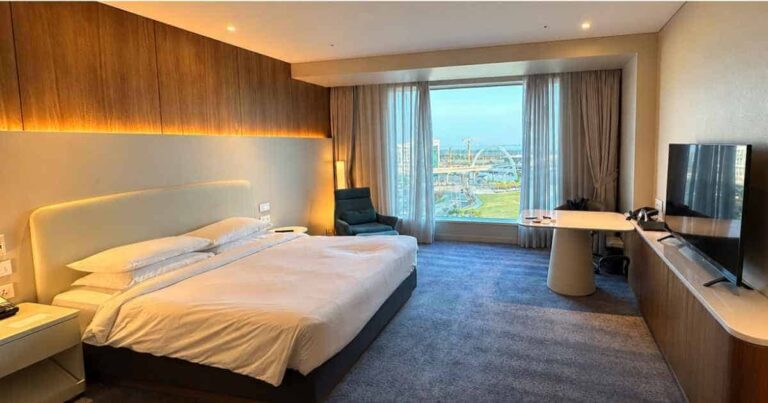
Best Hotels Near Incheon Airport Terminals 1 & 2 with Free Shuttle
Looking for hotels near Incheon Airport? Compare my top 3 picks near Terminal 1 and 2, with free...
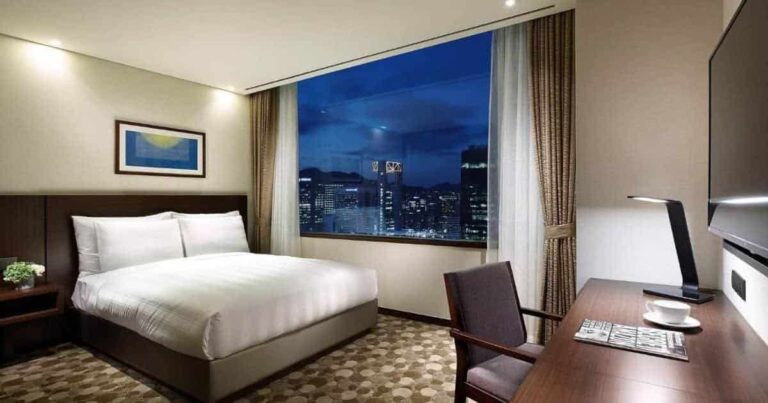
7 Best Hotels in Myeongdong, Seoul for Tourists
Located just 3 minutes away from Euljiro 3-ga station, Lotte City Hotel in Myeongdong is the perfect choice...
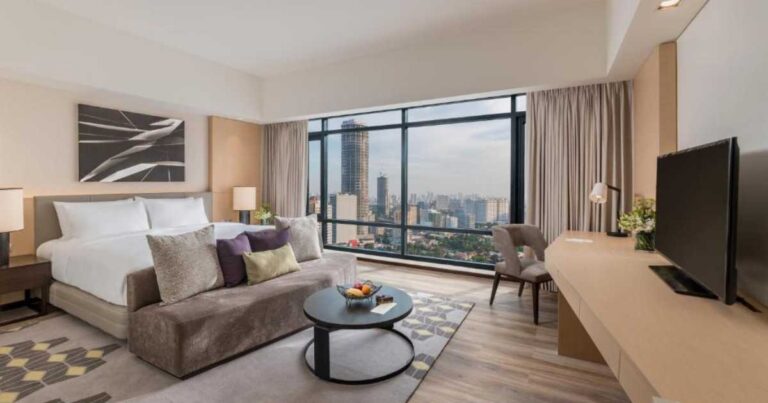
Seda Vertis North Review: Buffet, Rooms, & Promo Code
Discover the rooms, breakfast buffet, and our experience at Seda Vertis North.

7 Best Hotels in Boracay: Where to Stay in Stations 0, 1, 2, & 3
Stay in one of the best hotels in Boracay that boast a private beach!

Crimson Resort & Spa Boracay: Why This Hotel in Station Zero is a Luxury Escape
Crimson Resort & Spa Boracay redefines what a Boracay holiday should be.
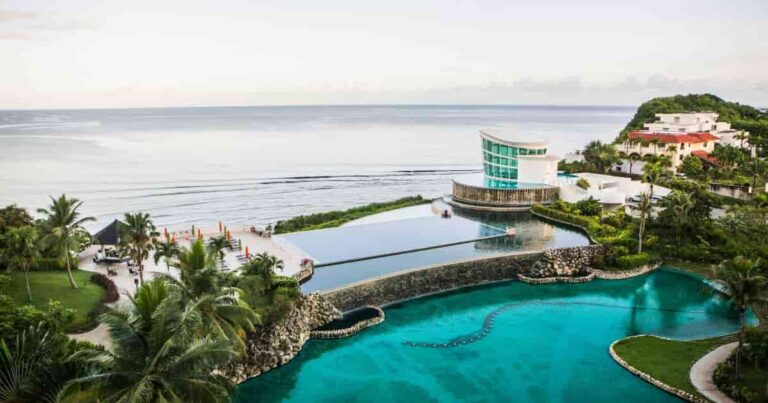
6 Best Hotels in Guam: Where to Stay in Tamuning & Tumon Bay
Which resorts have oceanfront views? If you want to be near the cool and crystal clear waters, book...

Disney Explorers Lodge Hong Kong Review: Rooms, Breakfast, & Is It Worth It?
Explore the grand cabin lodge's vast grounds filled with 4 themed gardens and 700 species of plants.
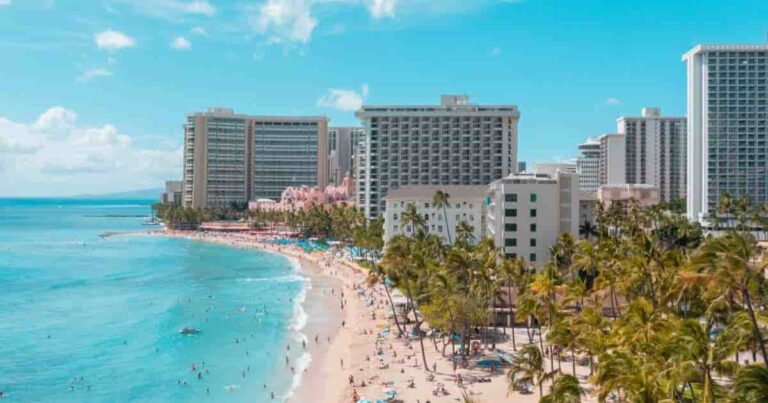
7 Best Beachfront Hotels in Honolulu, Hawaii
Planning a trip to Honolulu? Book any of the following hotels in Hawaii’s beloved tourist destination.
Frequently Asked Questions
Where should I stay on my first trip to a new destination?
Start with a neighborhood that’s walkable and close to transit, even if it costs a bit more. It saves you time and stress on every other part of the trip.
Is it better to stay in a hotel or an apartment-style stay?
Depends on trip length and group size. Hotels are more predictable and easier to cancel. Apartment-style stays make sense for longer trips or groups who want more space, but always check elevator access first.
Are capsule hotels worth it?
Yes, for a short stay or if you’re just sleeping between activities. I’ve stayed in a few near Jongno and in Busan and they’re more comfortable than people expect. Not ideal if you’re carrying a lot of luggage.
Are jjimjilbangs good for overnight stays in Korea?
I used to recommend them for this, but I’ve walked that back. They’re built for a spa experience, not real sleep, and there’s basically nowhere for luggage. Fine as a cheap experience, not as a normal place to stay.
Are Disney or Universal hotels worth it?
Worth it when the theme park is the whole point of the trip. Not worth it if the park is just one stop among several — an off-site hotel with good shuttle access usually makes more sense there.
Are luxury hotels worth it?
When the hotel itself improves the trip — service, dining, location, resort facilities you’ll actually use. Not worth it if you’re only sleeping there or mainly paying for the brand name.
Should I book a hotel with breakfast included?
If the buffet is genuinely good, yes, it can change how a stay feels. If the area has better food options nearby and the hotel’s food is mediocre, skip it and eat local instead.
Are casino hotels only useful if you gamble?
Not at all. Restaurants, shows, shopping, and airport access are often the real draw, especially at integrated resorts in Manila and Incheon.
Is it better to stay near the airport?
Yes, if you have an early flight, a long layover, or just don’t want to deal with transit while exhausted. I’ve had good experiences with airport-area hotels near Incheon for exactly this reason.
Where should I book hotels?
Klook is a solid option, especially if you’re bundling your hotel with attractions or transport as part of a bigger trip.
How Travlists Reviews and Recommends Hotels
Every recommendation on this page comes from an actual stay, a specific booking decision, or a mistake I made and learned from. Here’s what actually goes into it:
- Personal stays — I don’t recommend a property I haven’t actually experienced
- Location checks — how the area actually functions, not just what the map shows
- Transport access — walking time, nearest station, shuttle reliability
- Room comfort and luggage convenience — especially for smaller room types like capsules or goshiwon-style stays
- Breakfast and dining quality, since it genuinely affects how a stay feels
- Family suitability, when relevant
- Price versus convenience, not price alone
- Recent reviews, to catch anything that’s changed since I stayed
- Cancellation policies
Some posts under this hub also include a Booking Insight — a look at what Travlists readers are actually booking for that destination, where the data is available and relevant.
I don’t treat the cheapest hotel as automatically the best option. A hotel that saves you time, cuts down on transfers, or makes arrival day easier can be better value than a cheaper room that’s farther away.
Continue Planning Your Trip
eSIMs
Compare travel eSIMs, destination plans, and connectivity options before your trip.
Transportation
Compare airport transfers, rail passes, ferries, transport cards, and city transport options.
Visa Guides
Check visa requirements, application steps, forms, and travel document guidance.
Attractions & Tours
Find theme park tickets, tours, city passes, and travel experiences worth booking.
South Korea Travel Guide
Discover Seoul and more destinations. Read our practical tips to help you plan your first or next trip.